Introduction
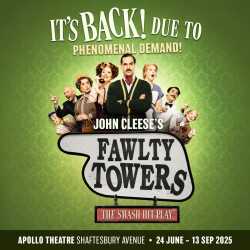
The Fawlty Towers play has captivated audiences around the globe, bringing the beloved characters and scenes from the classic British sitcom to life on stage. Originally aired in the 1970s, the series has left an indelible mark on British comedy, and the adaptation into a theatrical production serves not only as a homage to its creators but also highlights its enduring relevance in today’s world. The importance of this play lies in its ability to evoke nostalgia while tackling themes such as hospitality, class dynamics, and social faux pas in a humorous manner.
The Adaptation
The Fawlty Towers play, adapted by Matthew Fox, has taken innovative strides to remain faithful to the original material, ensuring that fans of the series will find much to enjoy. This theatrical rendition features familiar plotlines, including the infamous mishaps of Basil Fawlty, played with aplomb by various actors in recent productions, and the comedic antics of his co-workers—Sybil, Manuel, and Polly. Set in the fictional seaside hotel, the stage adaptation retains the fast-paced humour and character-driven comedy characteristic of the television series.
Recent Productions
Recent productions of the Fawlty Towers play, staged in various locations across the UK, have received positive reviews for their clever scripting and dynamic performances. Critics praise the authentic portrayal of Basil’s frantic energy, Sybil’s sharp wit, and Manuel’s endearing clumsiness, which collectively enhance the comedic experience for audiences. Notably, the play has been featured in regional theatres, drawing crowds eager to relive the hilarity that the television show originally presented.
Audience Reception and Cultural Impact
Audience reception has been overwhelmingly positive, with many describing the play as a wonderful throwback that retains the essence of the original series while providing new interpretations that resonate with a modern audience. The cultural impact of Fawlty Towers remains significant, as many quotes and behavioural traits from the show have entered the lexicon of British humour. Its themes of absurdity amid chaos also apply broadly in contemporary settings, making the play relevant to a diverse audience.
Conclusion
In conclusion, the Fawlty Towers play stands as a testament to the enduring legacy of the original sitcom. Its ability to attract both old fans and new audiences illustrates the timeless nature of its comedy and themes. As theatres continue to adapt and stage these pieces, the charm of Fawlty Towers is likely to live on, ensuring laughter for generations to come. For those yet to experience it, seeing the Fawlty Towers play is an opportunity to engage with an important piece of British entertainment history.