The Importance of Wolf Spiders in the UK
Wolf spiders, belonging to the Lycosa family, are a remarkable species found throughout the United Kingdom. These spiders play a vital role in the ecosystem as natural predators, ruling over many insect populations. Understanding their behaviour and habitat can enhance our appreciation for biodiversity in our local environments.
Characteristics and Behaviour
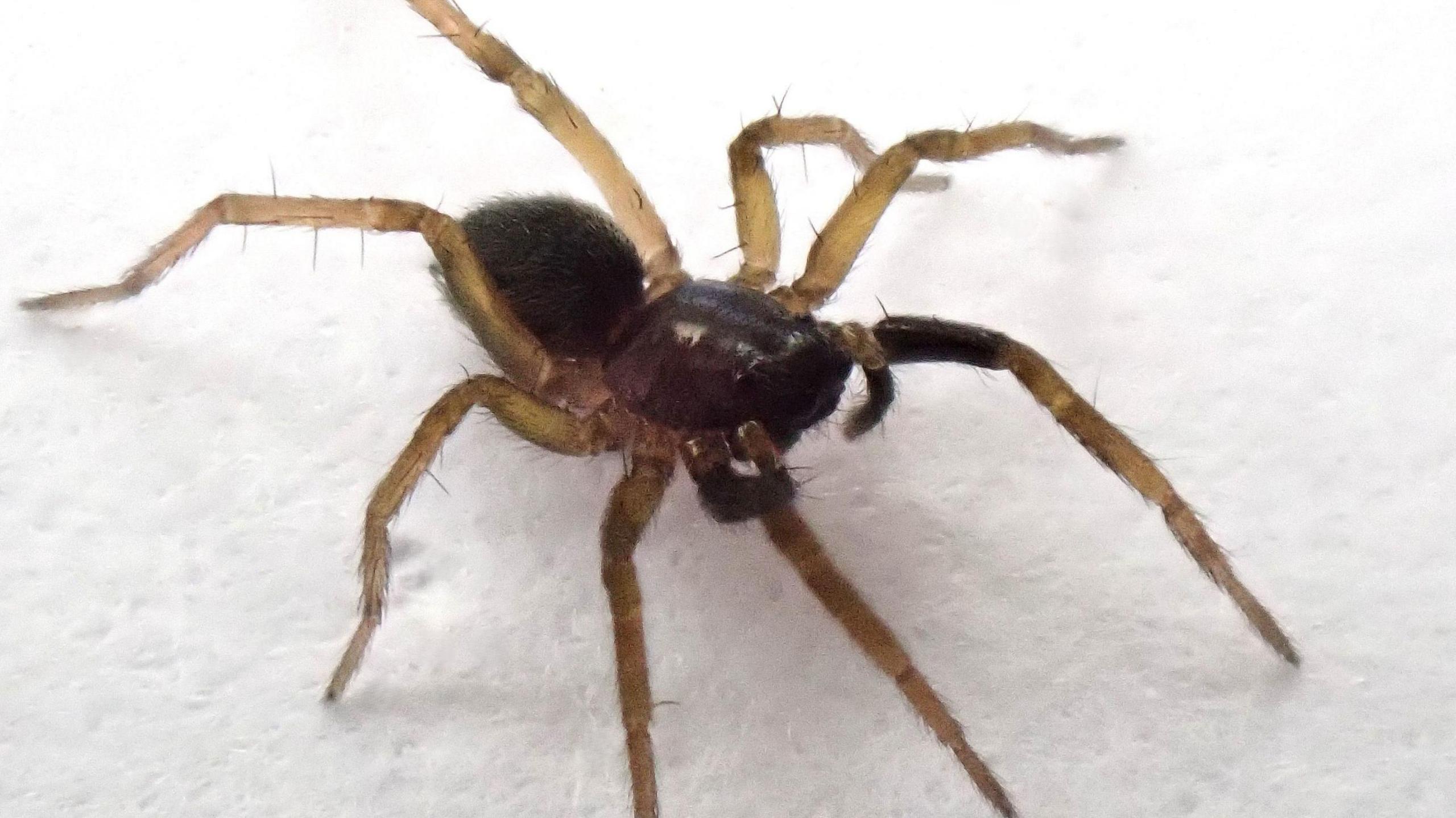
Wolf spiders are notable for their hunting technique. Unlike web-building spiders, they actively hunt their prey, primarily feeding on insects and other small arthropods. With their distinctive hairy bodies and excellent camouflage, they can be difficult to spot. Commonly ranging in size from 1 to 4 cm, they are typically brownish or grey and are often characterized by their large eyes, which provide superior vision and depth perception.
Habitat and Distribution
In the UK, wolf spiders are found in a variety of habitats, including grasslands, forests, and even gardens. They prefer environments with ample cover, such as leaf litter, under rocks, or within dense vegetation. Their widespread distribution across the country indicates their adaptability to different conditions.
Life Cycle and Reproduction
Wolf spiders have a fascinating life cycle. The female wolf spider is known for her unique maternal behaviour, carrying her egg sac attached to her spinnerets until the spiderlings are ready to hatch. Once hatched, the spiderlings climb onto their mother’s back and stay there for several days, receiving a safe ride while they grow. This nurturing characteristic sets them apart from many other spider species.
Significance for Readers
As the climate changes, understanding the lifestyles and behaviours of local spider species, including wolf spiders, becomes increasingly relevant. These spiders can help manage pest populations naturally, reducing the need for chemical pesticides. Ecologists point out that maintaining a diverse population of predators like wolf spiders can support wider environmental health.
Conclusion
In summary, the wolf spider is an essential component of the British ecosystem. Their role as predators and unique reproductive behaviour showcases the complexities of biodiversity in UK habitats. As more people become aware of their ecological significance, there will be a greater emphasis on conservation efforts to protect these fascinating creatures. Observing wolf spiders in their natural habitats can offer insights into the delicate balance of nature, highlighting the importance of even the smallest inhabitants of our environment.