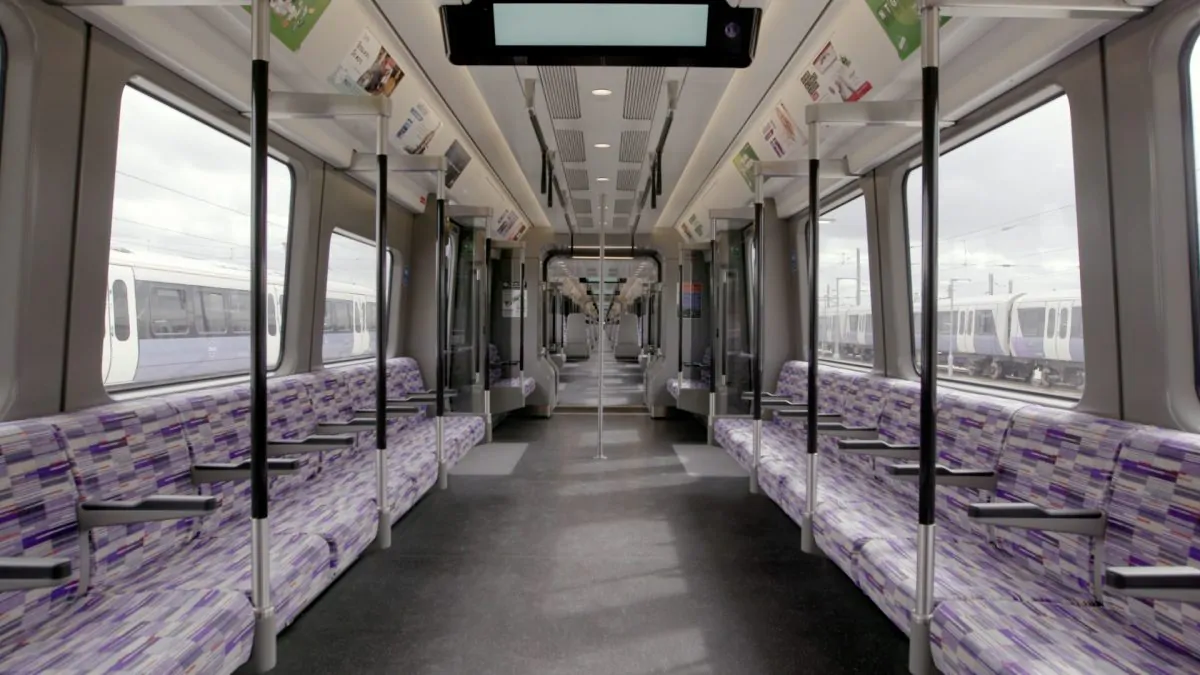
Introduction to the Elizabeth Line
The Elizabeth Line, a key part of London’s transport infrastructure, officially opened on May 24, 2022. Named after Queen Elizabeth II, this new railway line connects central London to the outer suburbs, significantly enhancing travel efficiency in the capital. With an increase in capacity and improved connectivity, the Elizabeth Line has quickly become an essential component of London’s public transport system.
Key Features and Benefits
The Elizabeth Line stretches over 60 miles from Reading and Heathrow in the west to Shenfield and Abbey Wood in the east. One of its most significant features is the reduction in travel times for commuters, with journeys across London now considerably shorter. For instance, a trip from Paddington to Canary Wharf has been reduced from over 30 minutes to just 17 minutes.
The line has opened up new real estate opportunities and is expected to boost local economies along its route. Areas like Woolwich and Acton have already seen a surge in property investment and development, making them attractive for new residents and businesses alike. The line has also introduced modern trains, each capable of carrying up to 1,500 passengers, which helps alleviate congestion on existing tube and rail services.
Impact on London’s Transport Network
The Elizabeth Line is expected to carry an estimated 200 million passengers per year, playing a crucial role in London’s recovery from the COVID-19 pandemic. It not only enhances the capacity of the transport network but also reduces reliance on cars, thereby contributing to cleaner air in the city. Transport for London (TfL) has also reported that, since its opening, ridership numbers have been robust, indicating strong public acceptance and demand for this new service.
Future Developments
Looking forward, further improvements are planned for the Elizabeth Line to enhance passenger experience, including more integrated ticketing options and real-time service information. As London continues to evolve and grow, projects like the Elizabeth Line will remain vital in accommodating future growth while ensuring a sustainable transport framework.
Conclusion
The Elizabeth Line represents a significant advancement in London’s transport infrastructure. By providing faster and more reliable connections across the city, it supports not only daily commuters but also the broader economic landscape. As ridership continues to rise and enhancements are made, the Elizabeth Line is set to become a cherished part of London’s public transport fabric, ensuring a well-connected and vibrant future for the capital.



