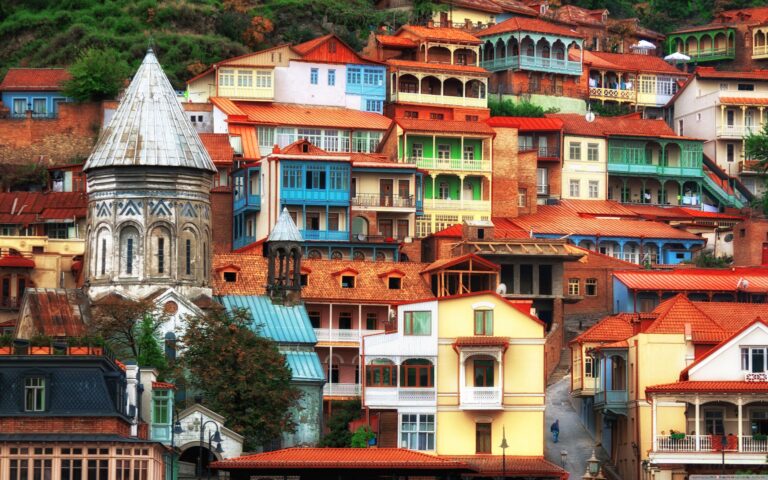
Introduction to Serbia
Serbia, a landlocked nation in Southeast Europe, is known for its rich history and vibrant culture. A crossroads of diverse influences, Serbia has been shaped by the convergence of Eastern and Western cultures, making it a fascinating place for both tourists and historians alike. Understanding Serbia is crucial not just for appreciating its cultural contributions, but also for recognising its strategic importance in contemporary geopolitics.
Current Events in Serbia
Recently, Serbia has been in the global spotlight due to its ongoing discussions regarding EU membership and relations with neighbouring countries. In October 2023, during a summit in Belgrade, Serbian President Aleksandar Vučić highlighted the nation’s intent to pursue closer ties with the European Union, submitting reforms aimed at aligning with EU standards. However, the path has been complicated by the unresolved issue of Kosovo, which declared independence in 2008 but is still regarded by Serbia as a part of its territory.
Additionally, Serbia’s strategic location and historical ties with Russia have spurred discussions about fluctuating alliances in the context of increasing tensions between the West and Russia. Serbia’s ongoing military cooperation with Russia has attracted attention from NATO, as Western nations monitor the implications of this partnership.
Cultural Significance
Culturally, Serbia offers a rich tapestry of traditions and heritage. From its music to its culinary delights, the country boasts festivals and events that showcase its folklore. The annual EXIT festival, held in Novi Sad, is a testament to Serbia’s thriving music scene and draws visitors from around the world.
Serbian cuisine, highlighted by dishes like ćevapi and sarma, reflects a blend of Balkan influences and showcases the local ingredients and culinary skills. Serbia’s history is also depicted through its monuments, such as the medieval monasteries on the UNESCO World Heritage list, which attract tourists and scholars alike.
Conclusion and Future Prospects
As Serbia continues its journey towards EU integration and strives to balance its diplomatic relations, the world’s attention remains on this Balkan nation. By maintaining its rich cultural heritage while navigating its political landscape, Serbia has the potential to emerge as a significant player in European affairs. Readers should keep an eye on Serbia as it develops, not only for its historical and cultural offerings but also for its evolving role in the contemporary geopolitical environment.