Introduction
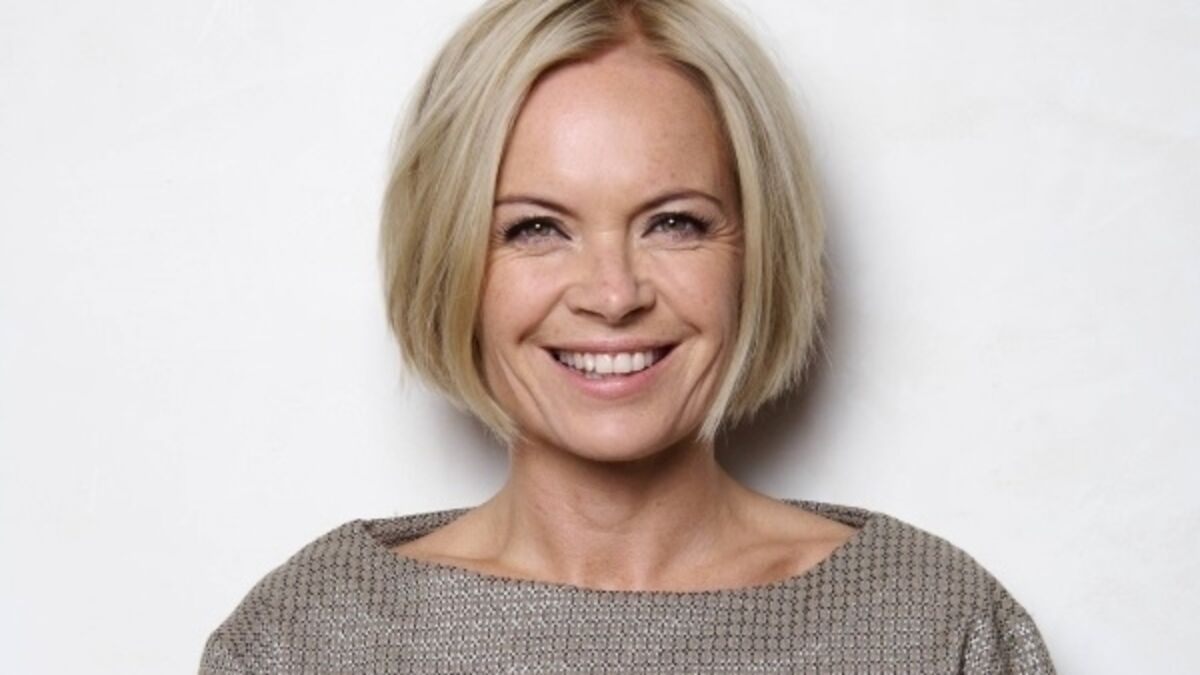
Mariella Frostrup is a recognised name in British broadcasting, known for her eloquence and versatility as a television presenter and journalist. Her career spans several decades, during which she has hosted numerous programmes, interviews, and debates that highlight cultural, social, and political issues. Her ability to engage audiences through intelligent discussions makes her a significant figure in media.
Career Highlights
Frostrup began her career in journalism and quickly made a name for herself in broadcasting. She is best known for presenting the BBC’s Open Book, which delves into the world of literature and hosts conversations with celebrated authors. Her insightful questions and warm interviewing style have endeared her to viewers and authors alike.
In addition to her literary pursuits, she has anchored various factual programmes and documentary series, such as Channel 4’s The Big Breakfast and the BBC’s Late Review. Frostrup’s work often reflects her passion for the arts and culture, leading to her involvement in significant conversations surrounding contemporary issues.
Recent Activities
In recent years, Mariella Frostrup has continued to be a prominent figure on television and radio. She has been involved in various projects, including podcasts and documentaries that explore pressing current affairs topics. Moreover, she has contributed articles to several publications, showcasing her thoughts on culture, feminism, and social justice. Her commentary often provides a fresh perspective on conventional narratives, amplifying the voices of those who might otherwise go unheard.
Frostrup has also been a vocal advocate for mental health and wellbeing, participating in campaigns aimed at reducing the stigma associated with mental health issues. Her dedication to these causes has made her a powerful voice, not just in the media but also in the broader societal context.
Conclusion
Mariella Frostrup’s career serves as an inspiration for many aspiring journalists and presenters. With her ability to navigate diverse topics and engage in meaningful discussions, she has established herself as a respected figure in British broadcasting. As she continues to evolve in her career, it will be interesting to see how she balances her commentary on cultural issues with her advocacy work. The relevance of her voice in contemporary media cannot be overstated, and her ongoing contributions to both journalism and social activism are likely to inspire future generations of broadcasters and audiences alike.