Introduction to the Camino de Santiago
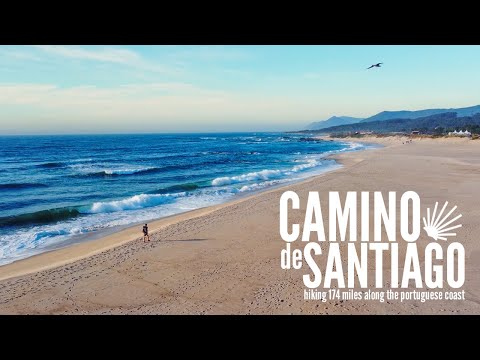
The Camino de Santiago, also known as the Way of St. James, is a medieval pilgrimage route that draws thousands of adventurers and spiritual seekers each year. Recognised as a UNESCO World Heritage Site, the Camino traverses various countries in Europe, culminating in the city of Santiago de Compostela in Spain, where the remains of the Apostle St. James are believed to be interred. This ancient route holds immense cultural, spiritual, and historical significance, making it a vital part of Europe’s pilgrimage traditions.
The Routes and Popularity
There are several paths that make up the Camino de Santiago, with the most popular being the Camino Francés, which starts in the French town of Saint-Jean-Pied-de-Port and spans approximately 780 km across northern Spain. Other notable routes include the Camino Portugués, the Via de la Plata, and the Camino Norte. Each year, the number of pilgrims has steadily increased, reaching over 300,000 registered walkers in 2019 before the impact of the COVID-19 pandemic. Recent reports indicate a strong resurgence of interest, with many pilgrims returning to the trail as travel restrictions ease.
Experiencing the Journey
The journey along the Camino is not merely about reaching the destination; it is about the experiences gathered along the way. Pilgrims encounter diverse landscapes, from breathtaking mountains to lush farmlands, along with medieval towns brimming with history. Many choose to walk for spiritual reasons, seeking reflection or a deeper connection with their faith. Others embark on the pilgrimage for physical challenge, adventure, or to escape the stresses of modern life.
The Cultural Impact
The Camino de Santiago significantly influences local communities, bringing economic benefits through tourism while fostering cultural exchanges. Towns along the route have embraced the influx of pilgrims by providing accommodations, meals, and tours that showcase local culture and heritage. Festivals are often held in honour of St. James, underlining the communal spirit and historical importance of this pilgrimage.
Conclusion and Future Outlook
As the world gradually recovers from the pandemic, interest in the Camino de Santiago is expected to grow further. With increased awareness of wellbeing and spiritual journeys, the Camino continues to serve as a sanctuary for introspection and rejuvenation. For many, embarking on this pilgrimage is more than just a walk; it is a profound journey that intertwines faith, culture, and community, making the Camino de Santiago relevant and cherished by many.