Introduction
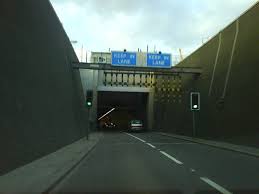
The Blackwall Tunnel, a crucial thoroughfare in East London, serves as a significant transportation link for both vehicles and cyclists. Since its completion, it has supported the movement of millions of vehicles annually, connecting the north and south banks of the River Thames. Understanding the Blackwall Tunnel’s role is increasingly important as London grapples with traffic congestion and environmental concerns.
History and Construction
Opened in 1897, the Blackwall Tunnel was originally designed to ease the transport of goods and people across the river. The northern bore was completed first, while the southern bore followed in 1963 to accommodate the growing population and traffic demands. The tunnel represents a significant engineering achievement of its time, featuring a total length of about 1.5 miles.
Recent Developments
In recent years, the Blackwall Tunnel has been the focus of several improvement projects aimed at enhancing safety and reducing congestion. Notably, Transport for London (TfL) began a comprehensive refurbishment of the tunnels in 2021. This included essential repairs to the structure, as well as upgrades to traffic management systems. These improvements are vital, particularly as data from the last few years highlighted increasing traffic volumes. In 2022, reports indicated that the tunnel had seen a 12% increase in usage compared to pre-pandemic levels.
Impact on Traffic and Environment
The tunnel’s role in alleviating road congestion cannot be overstated. However, it has also raised environmental concerns, especially regarding air quality in surrounding neighbourhoods. In response, TfL has initiated measures to promote sustainable travel alternatives, including increased cycle storage facilities and a public awareness campaign to encourage the use of public transport where possible.
Conclusion
The Blackwall Tunnel remains a vital part of London’s transportation infrastructure. The ongoing upgrades are not only essential for ensuring safety but are also a step towards a more sustainable transport network in the capital. As London continues to expand, the importance of the Blackwall Tunnel will likely increase, highlighting the need for continued investment and innovation in urban transportation. For residents and commuters alike, staying informed about developments in this critical link will ensure they can navigate London more effectively.