Introduction to Latvia
Located in the heart of the Baltic region, Latvia is a small yet vibrant country known for its rich cultural heritage, stunning natural landscapes, and significant historical sites. As a member of the European Union and NATO, Latvia plays a crucial role in the political and economic stability of the region. With its capital, Riga, a UNESCO World Heritage Site, the significance of Latvia is growing among international tourists and geopolitical analysts alike.
Culture and Heritage
Latvia boasts a unique cultural fusion influenced by its numerous historical periods, including the German, Swedish, and Russian occupations. Traditional music, particularly the ‘Dainas’ songs, and folk dances remain an integral part of the Latvian identity. Noteworthy festivals, such as the Song and Dance Festival, highlight the importance of cultural preservation among Latvians.
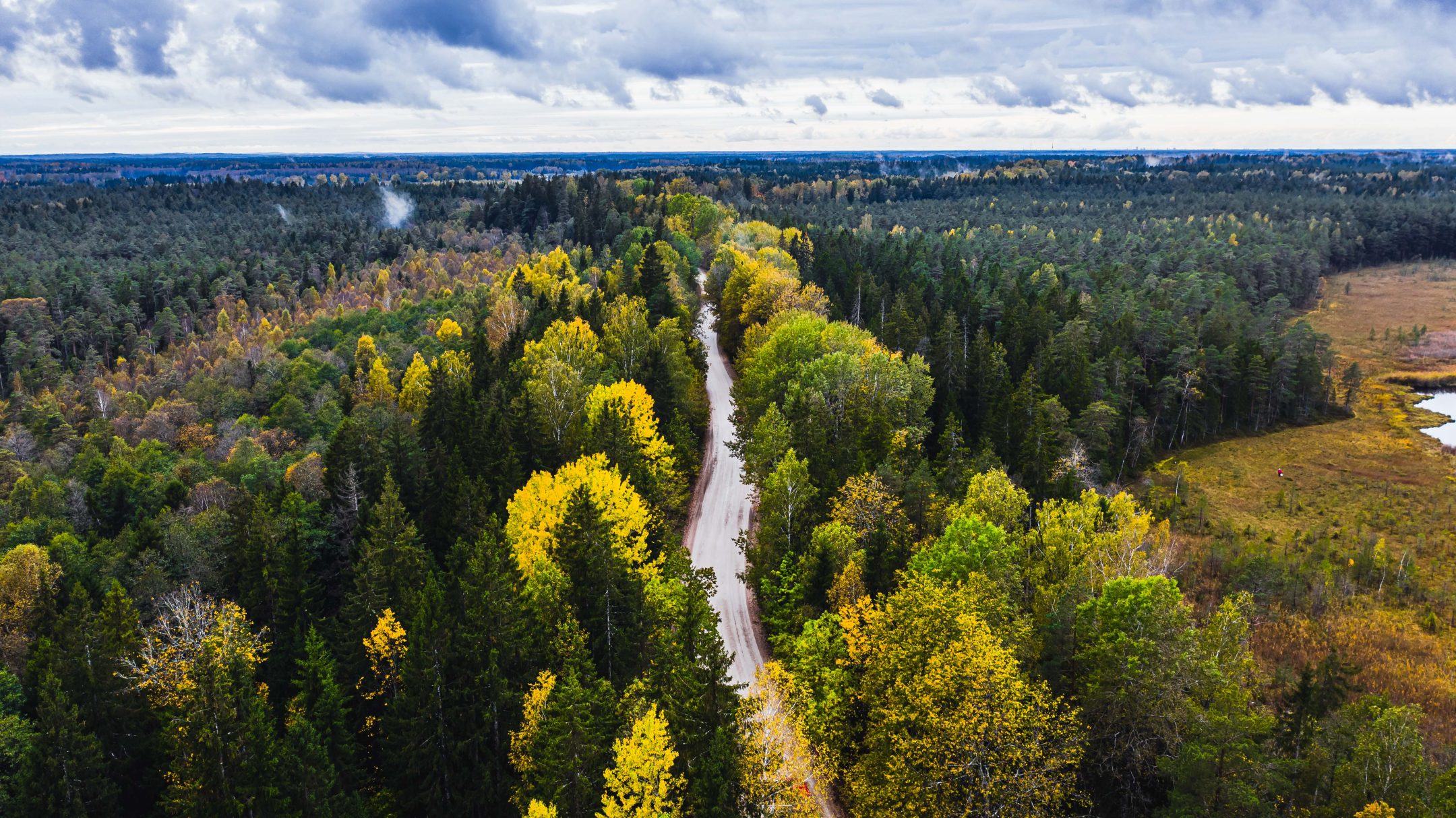
In addition, many Latvians possess a deep connection to the land, which is reflected in their appreciation for nature and environmental conservation. The country is home to numerous national parks and nature reserves, including Gauja National Park, where visitors can indulge in hiking, biking, and various outdoor activities.
Economic Developments
Latvia’s economy has shown significant growth in recent years, transitioning from a post-Soviet economy to a flourishing market-based system. The nation’s GDP growth rate is one of the highest in the European Union, and sectors like information technology and tourism are booming. In recent months, Latvia has focused on sustainable economic practices, encouraging green innovations and digital transformation to maximise its economic potential.
Geopolitical Importance
With its strategic location bordering the Baltic Sea, Latvia serves as a vital link between Western Europe and the Nordic countries. As geopolitical tensions have risen in Eastern Europe, Latvia’s role within NATO has become increasingly crucial. The country has bolstered its defense capabilities in response to regional security concerns, ensuring a robust stance against potential threats.
Conclusion
As Latvia continues to evolve on the global stage, its rich cultural heritage, economic growth, and strategic importance make it a fascinating subject for exploration. With its blend of tradition and modernity, Latvia is not only a destination for tourists but also a country with significant implications for the future of European stability. As interests in the Baltic regions grow, Latvia’s place within the international community will likely expand, offering new opportunities for collaboration and development.