Introduction to Languedoc
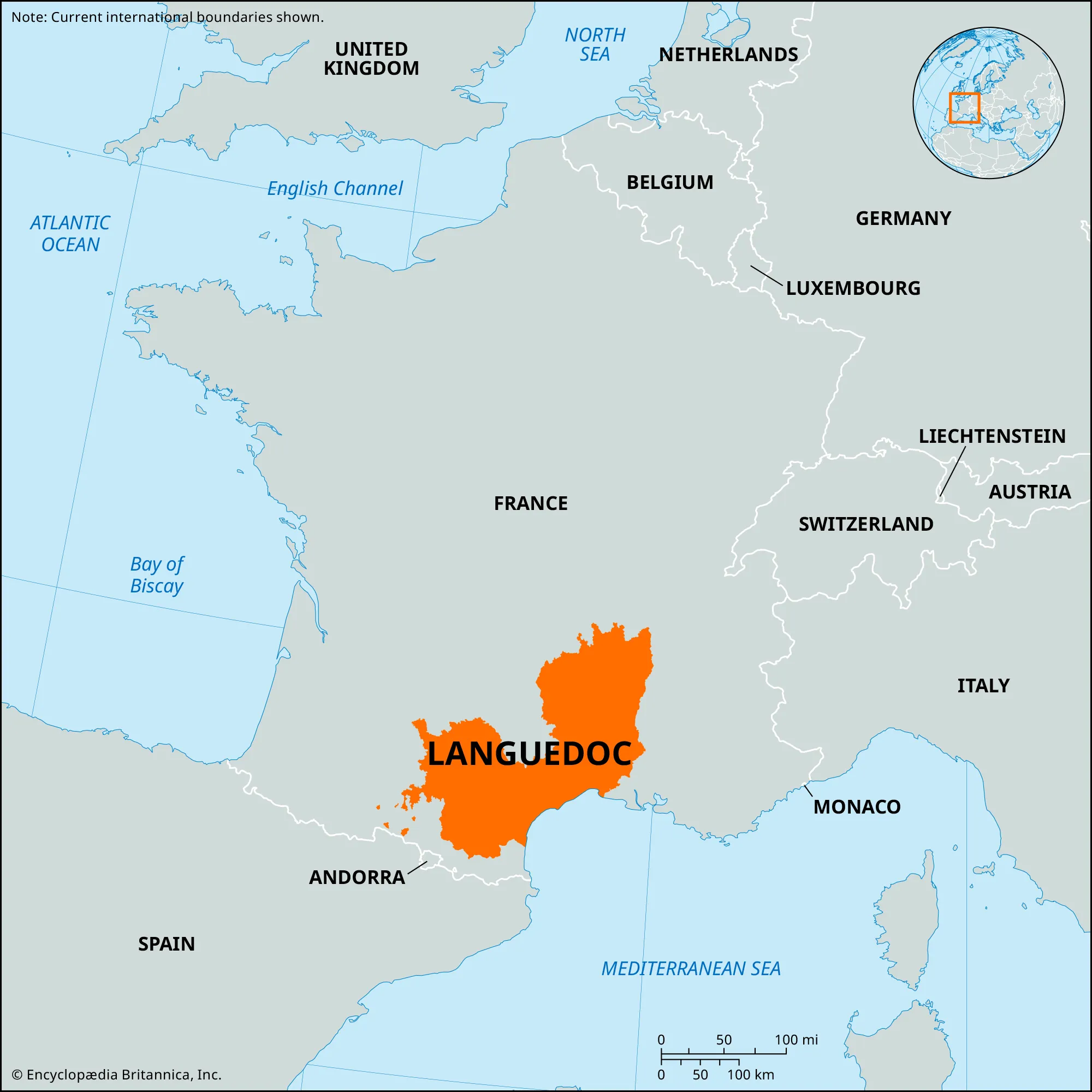
Languedoc, a historic region in the south of France, is renowned for its stunning landscapes, rich cultural heritage, and a climate perfect for viticulture. Spanning from the Mediterranean coast to the Cévennes mountains, Languedoc offers a diverse array of attractions and is increasingly becoming a sought-after destination for tourists and locals alike. Understanding this region is crucial not just for potential visitors but also for those interested in the cultural and economic advancements of southern France.
Cultural and Historical Significance
Languedoc boasts a unique blend of history shaped by various civilisations, including the Romans, Visigoths, and the famous Cathars. The region is home to many historical sites, including the UNESCO-listed Cite de Carcassonne, a medieval fortress that attracts thousands of visitors each year. Additionally, the city of Montpellier serves as a vibrant cultural hub, known for its historic architecture and lively student population.
Vineyards and Wine Production
Known for producing some of France’s finest wines, Languedoc is often referred to as the oldest wine-producing region in the country. Its vineyards produce a wide variety of wines, including the acclaimed Pic St. Loup and Languedoc AOC wines. Wine tourism has become increasingly popular, with many visitors participating in wine tastings and tours across picturesque vineyards. In 2023, the region received recognition from the International Organisation of Vine and Wine for its sustainable practices in winemaking.
Natural Attractions and Activities
The natural landscapes of Languedoc are equally impressive, featuring scenic coastlines, rolling hills, and rugged mountains. Outdoor enthusiasts can indulge in a variety of activities ranging from hiking in the Cévennes National Park to enjoying water sports along the Mediterranean beaches. In recent years, eco-tourism has gained traction, highlighting the importance of preserving Languedoc’s unique biodiversity.
Conclusion
As Languedoc continues to evolve, the combination of its rich history, stunning natural beauty, and commitment to sustainable tourism make it a fascinating region for exploration. The strengthening wine industry and growing cultural significance not only enhance its allure for tourists but also contribute positively to the local economy. With increasing attention and investment, Languedoc is set to become one of the prominent travel destinations in Europe, showcasing the importance of preserving its heritage while embracing modern advancements.