Introduction
Almería, a captivating city located in the southeastern region of Spain, is gaining recognition for its stunning landscapes, rich cultural heritage, and unique architectural designs. Once a significant port in the Mediterranean, Almería has emerged as a popular destination for both tourists and locals, particularly due to its diverse offerings and picturesque settings. Its relevance today not only lies in its historical significance but also in its status as a thriving hub for agriculture, tourism, and renewable energy.
The Rich History of Almería
Founded in 955 under the rule of the Caliphate of Cordoba, Almería quickly became an important fortress city, known for its remarkable Alcazaba, a Moorish castle that still stands tall today. The city reflects a blend of cultures, evident in its architecture and historical sites, including the stunning Cathedral of Almería and various old churches. Today, the Alcazaba is a UNESCO World Heritage site and one of the most visited landmarks in the region, attracting history buffs and tourists alike.
Modern Attractions and Developments
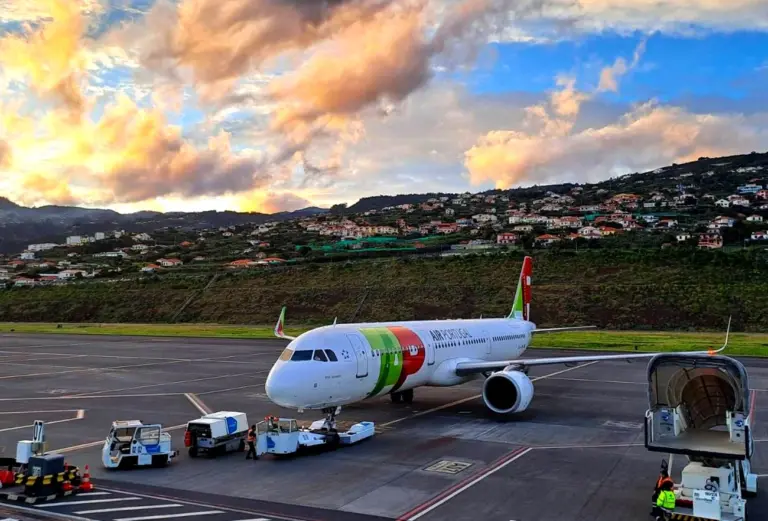
In recent years, Almería has evolved significantly, becoming a vibrant city with modern infrastructures, such as the Almería International Airport which supports the tourism influx. The city is also famous for its beautiful beaches like Playa de los Genoveses and the picturesque Cabo de Gata-Níjar Natural Park, offering ideal settings for relaxation and outdoor activities.
Agricultural Hub
Aside from tourism, Almería is also known as the ‘vegetable garden of Europe.’ Its agricultural sector thrives due to a favourable climate and innovative farming techniques, with greenhouses producing a wide range of vegetables and fruits for export. The emphasis on sustainable practices positions Almería as a leader in the field while boosting the local economy.
Conclusion
Almería stands out as a unique mosaic of history, culture, and natural beauty, making it an essential destination for anyone looking to explore the lesser-known corners of Spain. As it continues to develop, the city maintains its charm, drawing visitors not just for its scenic landscapes but also its culinary delights and warm hospitality. Looking ahead, Almería is likely to grow as a hotspot for sustainable tourism and agriculture, further highlighting its significance in Spain’s economic and cultural landscape.