Introduction
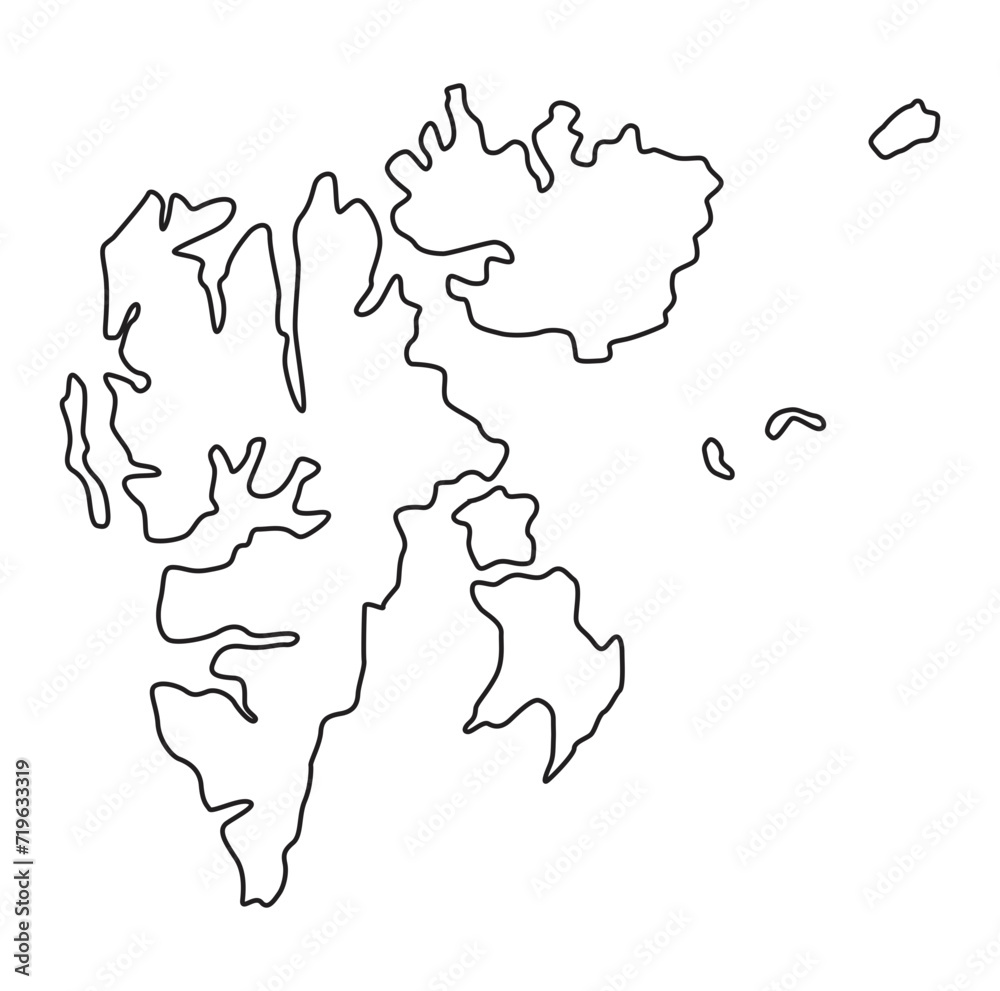
Svalbard, a remote archipelago in the Arctic Ocean, has garnered increasing attention for its stunning natural beauty, unique wildlife, and strategic significance. As climate change continues to impact polar regions, Svalbard presents an unparalleled opportunity for scientific research and eco-tourism, making it a focal point for both environmentalists and adventurers alike.
Geography and Climate
Located approximately halfway between mainland Norway and the North Pole, Svalbard comprises several islands, the largest being Spitsbergen. With a population of around 2,500 inhabitants, the archipelago experiences extreme polar weather, with winter temperatures often plummeting to -20 degrees Celsius. In contrast, summers can see temperatures rise to a pleasant 5-10 degrees Celsius. The landscape includes glaciers, mountains, and expansive tundra, which are vital to the ecosystem.
Wildlife and Environment
Svalbard is home to an array of wildlife, including polar bears, reindeer, and various seabirds. The Svalbard Global Seed Vault, often referred to as the “Doomsday Vault”, is located here and plays a crucial role in preserving the world’s agricultural biodiversity. Additionally, the archipelago serves as a critical habitat for migratory birds and seals, making it a hotspot for ecological studies.
Research and Tourism
In recent years, the need for research in Svalbard has escalated due to the direct impacts of climate change in the Arctic. Scientists from around the world conduct studies on glaciology, marine biology, and atmospheric science within this unique environment. Moreover, the tourism sector in Svalbard has been thriving, offering visitors opportunities for hiking, dog sledding, and experiencing the Northern Lights, thereby creating a balance between conservation and economic growth.
Conclusion
As Svalbard finds itself at the crossroads of environmental change and globalisation, its significance is likely to grow. This Arctic jewel continues to draw both scientists and tourists, fostering a deeper understanding of the Arctic environment. The ongoing dialogue surrounding climate change and international cooperation over the archipelago’s resources will define its future. Svalbard stands as a reminder of nature’s fragility and the importance of preserving our planet’s unique ecosystems for generations to come.