Introduction
Sarcoma cancer, though less common than other cancer types, is an important area of concern within the medical community. Understanding its nuances, symptoms, and potential treatments can impact early diagnosis and patient outcomes. Sarcomas are a group of cancers that arise from connective tissues such as bone, cartilage, fat, and muscle, and they account for around 1% of all adult cancers. This article aims to shed light on sarcoma cancer, detailing its types, symptoms, and treatment options.
Types of Sarcoma
Sarcomas are broadly classified into two main categories: soft tissue sarcomas and bone sarcomas.
- Soft Tissue Sarcomas: This category includes various types such as liposarcoma (fat tissue), leiomyosarcoma (smooth muscle), and synovial sarcoma (joint tissues). These can occur in various places in the body and often present as lumps or swelling.
- Bone Sarcomas: The most recognized type of bone sarcoma is osteosarcoma, which primarily affects the long bones. Another type is Ewing’s sarcoma, often found in the pelvis or long bones, primarily affecting children and young adults.
Symptoms and Diagnosis
The symptoms of sarcoma cancer can be varied and often depend on the tumour’s location and type. Common signs include unexplained lumps, pain at the site of a tumour, and swelling. Due to the non-specific nature of these symptoms, sarcoma diagnosis can sometimes be delayed.
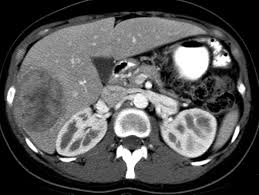
Medical professionals usually conduct a physical examination followed by imaging scans such as X-rays, MRI, or CT scans. A definitive diagnosis typically requires a biopsy, where a sample of the tumour is examined for cancerous cells.
Treatment Options
Treatment for sarcoma cancer often involves a multidisciplinary approach, including surgery, chemotherapy, and radiation therapy. Surgery is the primary treatment for localised sarcoma, aiming to remove the tumour with clear margins. For more aggressive or metastatic cases, chemotherapy may be employed, either prior to surgery to shrink the tumour or post-operatively to eliminate remaining cancer cells. Radiation therapy may also be utilised to target residual disease, particularly in soft tissue sarcomas.
Conclusion
Understanding sarcoma cancer is crucial as it can significantly affect early detection and treatment outcomes. With ongoing research and advances in treatment, the prognosis for sarcoma patients continues to improve. Awareness and education remain vital in addressing this rare but impactful disease. Individuals experiencing unusual symptoms should seek medical advice to ensure timely intervention.