Introduction to Santiago de Compostela
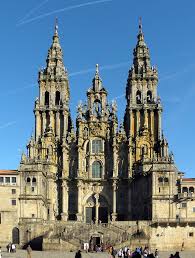
Santiago de Compostela, the capital of Galicia in north-western Spain, is a city steeped in tradition and spiritual significance. Known primarily as the culmination point of the Camino de Santiago pilgrimage, it draws thousands of visitors each year, not only for its religious importance but also for its stunning architecture and vibrant culture. The city’s Old Town, a UNESCO World Heritage site, encapsulates its historical essence and serves as an integral part of the cultural fabric of Spain.
Historical Significance
The city’s name translates to “Saint James of Compostela,” named in honour of St. James, one of Jesus’ apostles, whose remains are believed to be buried in the city’s cathedral. The profound historical and religious roots date back to the 9th century when the discovery of St. James’ tomb established Santiago as a major Christian pilgrimage site. The pilgrimage routes leading to Santiago have been internationally recognised for their spiritual and cultural significance, culminating in an experience that blends faith, history, and community.
Recent Events and Developments
As of 2023, Santiago de Compostela has seen a resurgence in pilgrimage tourism post-COVID-19, with reports indicating a 50% increase in visitors compared to the previous year. The local government has implemented measures to enhance the experience for pilgrims, including improved signage along the Camino routes and heightened safety protocols due to health concerns. Additionally, various cultural events, such as the annual Festival of Saint James, continue to attract tourists, showcasing local music and traditional Galician culture.
The Impact of Tourism
Tourism in Santiago is not merely about the pilgrimage; it influences the local economy tremendously. The influx of visitors supports countless businesses, from hotels to local artisans selling traditional crafts. However, this booming tourism comes with its challenges, such as managing overcrowding and ensuring sustainable practices to preserve the city’s heritage. Authorities are actively promoting responsible tourism initiatives to mitigate these issues while fostering an inviting environment for both pilgrims and casual tourists alike.
Conclusion
Santiago de Compostela remains a beacon of heritage and spirituality, attracting countless visitors all seeking connection, reflection, and historical enlightenment. As the city navigates the delicate balance between tourism and preservation, its significance continues to grow—not only as a destination for pilgrims but as a city that embodies the journey of humanity’s search for meaning. Looking forward, it is crucial for stakeholders to embrace sustainable practices to ensure that Santiago de Compostela retains its profound charm and cultural relevance for generations to come.