Introduction
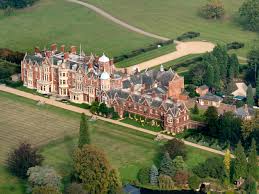
The Sandringham Estate is an iconic royal residence in Norfolk, England, famed for its stunning architecture, expansive gardens, and rich history. Owned by the British royal family since the late 19th century, it serves as a symbol of tradition and a place of personal reflection for monarchs. With its annual events and natural beauty, the estate remains significant not only to the royal family but also to the public, drawing thousands of visitors each year.
Historical Significance
Sandringham House was originally built in 1870 and has since been a beloved retreat for the royal family. Queen Victoria gifted the estate to her eldest son, Edward VII, and it has remained closely associated with each successive monarch. The estate offers a glimpse into the private lives of the royals, very different from their public personas. Notably, it was where Prince Philip passed away in April 2021, marking it as a site of personal mourning for the family.
Current Events and Public Access
In recent months, Sandringham has become a focal point for discussions surrounding royal family events. Following the death of Queen Elizabeth II, the estate is expected to play a central role during the transition period as King Charles III establishes his own traditions. The estate remains open to the public, offering tours of the house and gardens, showcasing its Victorian architecture and interior design, with seasonal events highlighting the estate’s agricultural practices.
Conclusion
Sandringham Estate stands as a cherished part of the British monarchy’s legacy. Its ongoing relevance is highlighted not only by its captivating historical context but also through its role in contemporary royal life. As it continues to welcome visitors and adapt to modern times, Sandringham remains a vital piece of the tapestry that is the British royal heritage, promising to captivate both history enthusiasts and tourists alike. The estate’s combination of natural beauty, historical depth, and royal traditions ensures its significance for generations to come.




