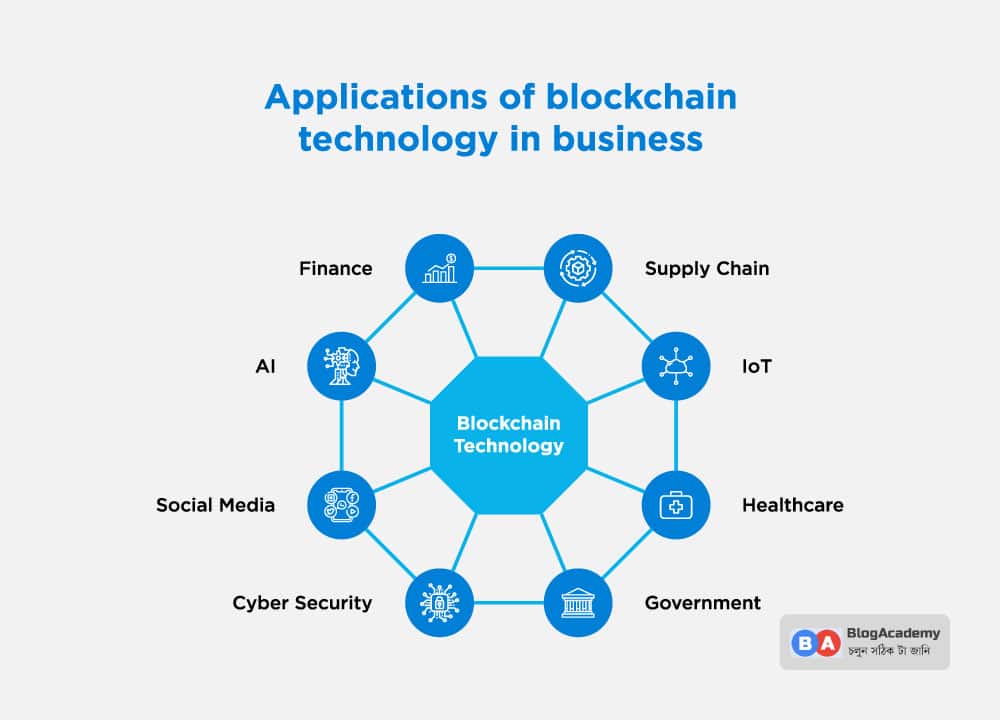
The Growing Importance of Blockchain Technology
Blockchain technology, once primarily associated with cryptocurrencies, has evolved to become a cornerstone for innovations across various industries. Its potential for transparency, security, and decentralisation has spurred interest from businesses, government entities, and tech enthusiasts alike. As we enter 2023, the landscape of blockchain applications has expanded considerably, showcasing its relevance and importance in today’s digitised world.
Key Blockchain Applications
1. Supply Chain Management
One of the most promising applications of blockchain is in supply chain management. Companies such as Walmart and Maersk are leveraging blockchain to enhance transparency and traceability. For example, by using blockchain, consumers can track the origin of their food products, ensuring quality and ethical sourcing. This application not only improves safety but also builds consumer trust.
2. Financial Services
Blockchain technology is revolutionising the financial services sector by allowing faster, more secure transactions with lower fees. Many banks and financial institutions are adopting blockchain for cross-border payments and settlement processes. Companies like Ripple are already providing solutions that streamline these transactions, making them instantaneous and more efficient. Additionally, central banks are exploring Digital Central Bank Currencies (CBDCs) as a stable alternative to traditional currencies.
3. Healthcare
In the healthcare industry, blockchain applications are assisting in managing patient records securely. Blockchain can provide a decentralized, tamper-proof system where patient data is stored and shared with healthcare professionals without compromising privacy. Initiatives like MedRec from MIT are paving the way for enhanced data sharing while respecting patients’ rights.
4. Smart Contracts
Smart contracts, powered by blockchain, are automated agreements that execute actions when certain conditions are met, with no need for intermediaries. This technology is already being implemented in various sectors, from real estate to insurance, improving efficiency and reducing disputes. Companies are exploring how to create self-executing contracts that can automatically handle transactions and conditions.
Future Prospects
As we look forward, the potential applications of blockchain seem almost limitless. Experts predict that the integration of blockchain into various sectors will continue to grow, especially in areas like the Internet of Things (IoT) and digital identity verification. However, challenges such as regulation, scalability, and environmental concerns regarding energy consumption must be addressed for mainstream adoption.
Conclusion
In summary, blockchain applications are becoming integral to innovative solutions across diverse industries in 2023. The ongoing advancements in this technology promise to reshape how we conduct business, handle data, and interact with each other, marking a significant shift towards a more decentralised and transparent world. As businesses continue to explore these applications, it is essential for stakeholders to stay informed about both the opportunities and challenges presented by blockchain technology.