The Importance of Russian Planes in Global Aviation
Recent events involving Russian aircraft have drawn significant attention from both aviation experts and geopolitical analysts. Given Russia’s expansive influence on global air travel and defence, understanding the implications of these incidents is critical. The ongoing tensions between Russia and Western nations have made air safety and international relations more complex than ever.
Recent Incidents Involving Russian Planes
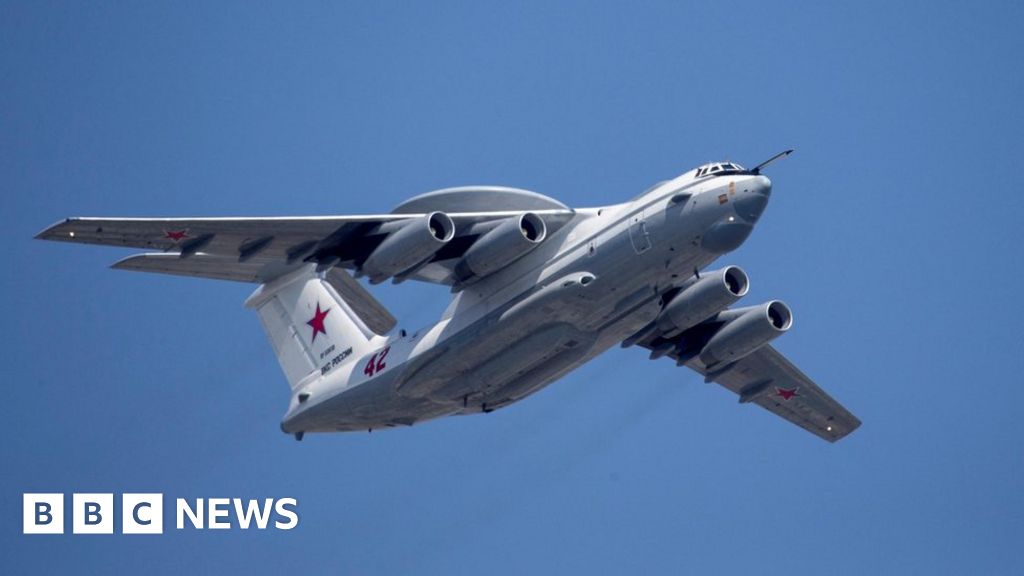
In October 2023, an incident involving a Russian military aircraft occurred during joint exercises with allies. A Su-34 fighter jet crashed during a training session in the Black Sea, prompting a swift search-and-rescue operation. Fortunately, the two pilots were safely recovered, highlighting the potential risks associated with military aviation during rising geopolitical tensions.
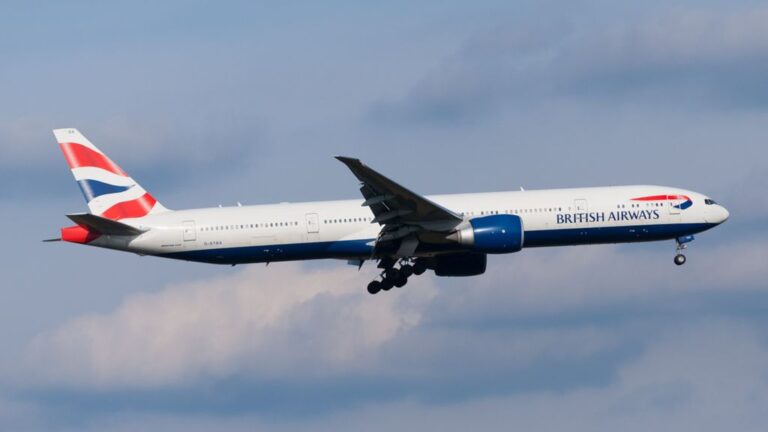
In another significant event earlier this year, a commercial Russian airliner was involved in a near-miss incident with a British Royal Air Force jet over the North Sea. The Russian plane reportedly strayed into a restricted zone, raising concerns about airspace security in the region and leading to calls for improved communication protocols.
Implications for Commercial Aviation
The incidents not only raise questions about military readiness but also impact civil aviation. European airlines are putting extra measures in place when operating against the backdrop of Russian air activity, especially in eastern European corridors. The European Union Aviation Safety Agency (EASA) has been closely monitoring flight paths in light of these developments to ensure traveller safety.
Furthermore, the potential sanctions and international pressures against Russian aviation could lead to diminished operational capabilities for Russian airlines, further complicating the airline industry’s ability to sustain relationships with global partners. With many countries banning the usage of Russian aircraft in their airspace, the ramifications could be long-lasting.
Conclusion: Looking Ahead
As tensions continue to simmer, the events surrounding Russian planes underscore the need for continued dialogue and vigilance in aviation safety protocols. The aerospace industry, both commercial and military, will need to navigate these challenges with care.
Observers are forecasting that we may see heightened regulations on Russian aviation, influencing both military exercises and commercial operations in the coming months. Understanding these dynamics will be essential for policymakers, airlines, and travellers alike as they adapt to an evolving air travel landscape.