Introduction to Ouagadougou
Ouagadougou, the capital city of Burkina Faso, holds immense importance not only as the political hub but also as a cultural and economic centre of the country. With a population of over 2.5 million people, the city serves as a melting pot of diverse cultures, languages, and traditions, making it a focal point for both residents and visitors alike. Understanding Ouagadougou’s significance can provide valuable insights into the region’s history, its present situation, and the hopes for the future.
Historical Context and Development
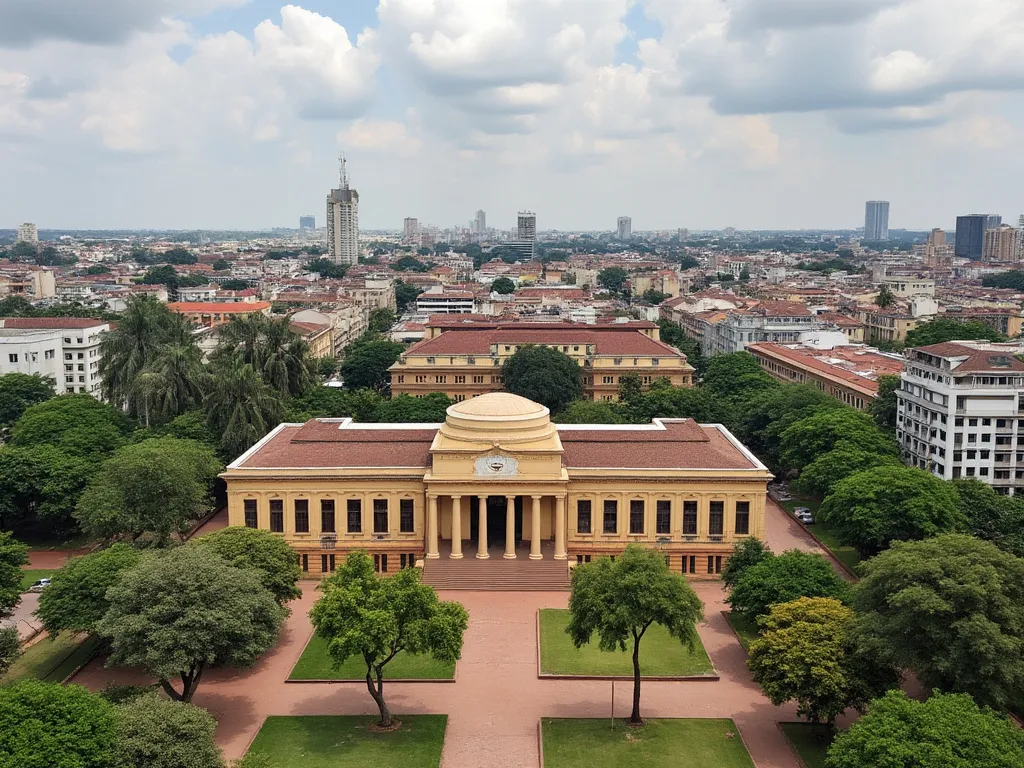
Founded in the 15th century by the Mossi people, Ouagadougou has grown substantially over the years. The city is named after the Mossi leader Ougadougou, which translates to ‘the place where the king demonstrates his authority’. Historically, Ouagadougou has been the seat of power for various kingdoms and has played a vital role in the trade routes across West Africa. Today, it stands as a modern city with a blend of traditional and new architecture, showcasing its rich heritage.
Recent Events in Ouagadougou
As of 2023, Ouagadougou remains in the spotlight due to various political and social changes. Following a military coup in January 2022, the government has been focused on stabilising the situation, combating terrorism, and ensuring public safety. Recent dialogues between military leaders and civilian groups have been initiated to pave the way towards restoring democratic governance. This situation has entailed numerous changes and adaptations within the city, influencing local businesses and the daily lives of its residents.
Cultural Significance and Attractions
Ouagadougou is not only important politically but is also rich in culture. The city hosts various festivals, including the prestigious Panafrican Film and Television Festival of Ouagadougou (FESPACO), which promotes African cinema. Additionally, venues such as the National Museum of Burkina Faso and the Ouagadougou Grand Market provide glimpses into the unique history and artisanal crafts of the area. The vibrant markets buzz with activity, offering local food delicacies, fabrics, and handmade goods, attracting both locals and tourists.
Conclusion: The Future of Ouagadougou
Ouagadougou stands at a crossroads, with significant challenges and opportunities ahead. The determination to enhance governance and improve security will largely shape the future trajectory of this vibrant city. As initiatives to promote economic growth and cultural exchange kickstart, Ouagadougou may very well emerge as a pillar of stability and regional development in West Africa. For residents, tourists, and investors alike, staying informed about the developments in Ouagadougou will be crucial in navigating the future of this remarkable capital.