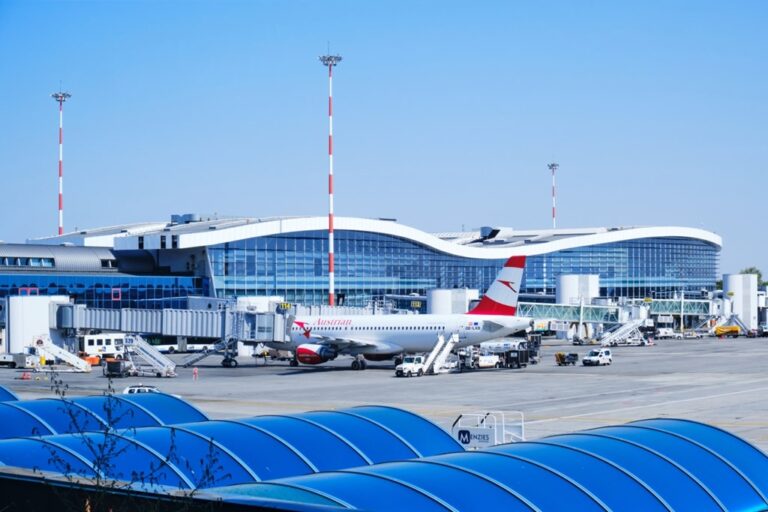
Introduction to ORD Flights
ORD, the International Air Transport Association (IATA) code for O’Hare International Airport in Chicago, is one of the busiest airports in the world. With its strategic location and extensive network of routes, ORD serves millions of passengers annually, making it a crucial hub in the international air travel industry. Understanding the trends and statistics surrounding ORD flights can provide valuable insights for both travellers and aviation enthusiasts alike.
The Significance of ORD as an Aviation Hub
O’Hare International Airport plays a pivotal role in connecting various global destinations. According to the latest reports from the Federal Aviation Administration (FAA), it ranks as the second-busiest airport in the United States by passenger traffic, with over 85 million passengers recorded in 2022. The airport offers around 200 gates serving domestic and international flights, with top airlines such as United Airlines and American Airlines operating extensive services from the airport.
Recent Developments and Current Trends
In recent months, ORD has seen a significant rise in flight demand as travel restrictions have eased and tourism has rebounded post-pandemic. The airport has implemented initiatives to enhance passenger experience, including improved security measures and streamlined check-in processes. Furthermore, new routes have been established to cater to high-demand destinations. For example, the reintroduction of services to popular international cities like Paris and Tokyo has garnered attention in the past year.
Moreover, environmental considerations are playing a more significant role in the operations of ORD flights. Airlines are investing in more fuel-efficient aircraft, and the airport administration is focused on sustainability practices, such as reducing carbon emissions and improving energy efficiency within the airport infrastructure.
The Future of ORD Flights
Looking ahead, the future of ORD flights seems promising. Travel experts forecast a steady increase in passenger traffic as international tourism continues to recover. Additionally, advancements in aviation technology, including the development of sustainable aviation fuels and electric aircraft, could revolutionise the industry, further enhancing the efficiency and environmental stewardship of air travel.
Conclusion
In conclusion, ORD flights represent a cornerstone of global air travel with significant implications for local and international economies. As passenger numbers continue to rise and the aviation sector evolves, both travellers and industry stakeholders must stay informed about the developments and trends surrounding O’Hare International Airport. Understanding these trends can help passengers make informed travel decisions and anticipate changes in airport operations in the near future.