Introduction
NYT Wordle has rapidly taken the world by storm, captivating millions of players with its simple yet challenging format. Developed by software engineer Josh Wardle and acquired by The New York Times in January 2022, the game has become a daily ritual for enthusiasts, fostering a community of word lovers seeking to find the correct five-letter word within six attempts. Understanding the relevance and popularity of NYT Wordle not only highlights a fascinating intersection of gaming and linguistics but also reveals patterns in collective problem-solving strategies among its players.
Game Mechanics and Popularity
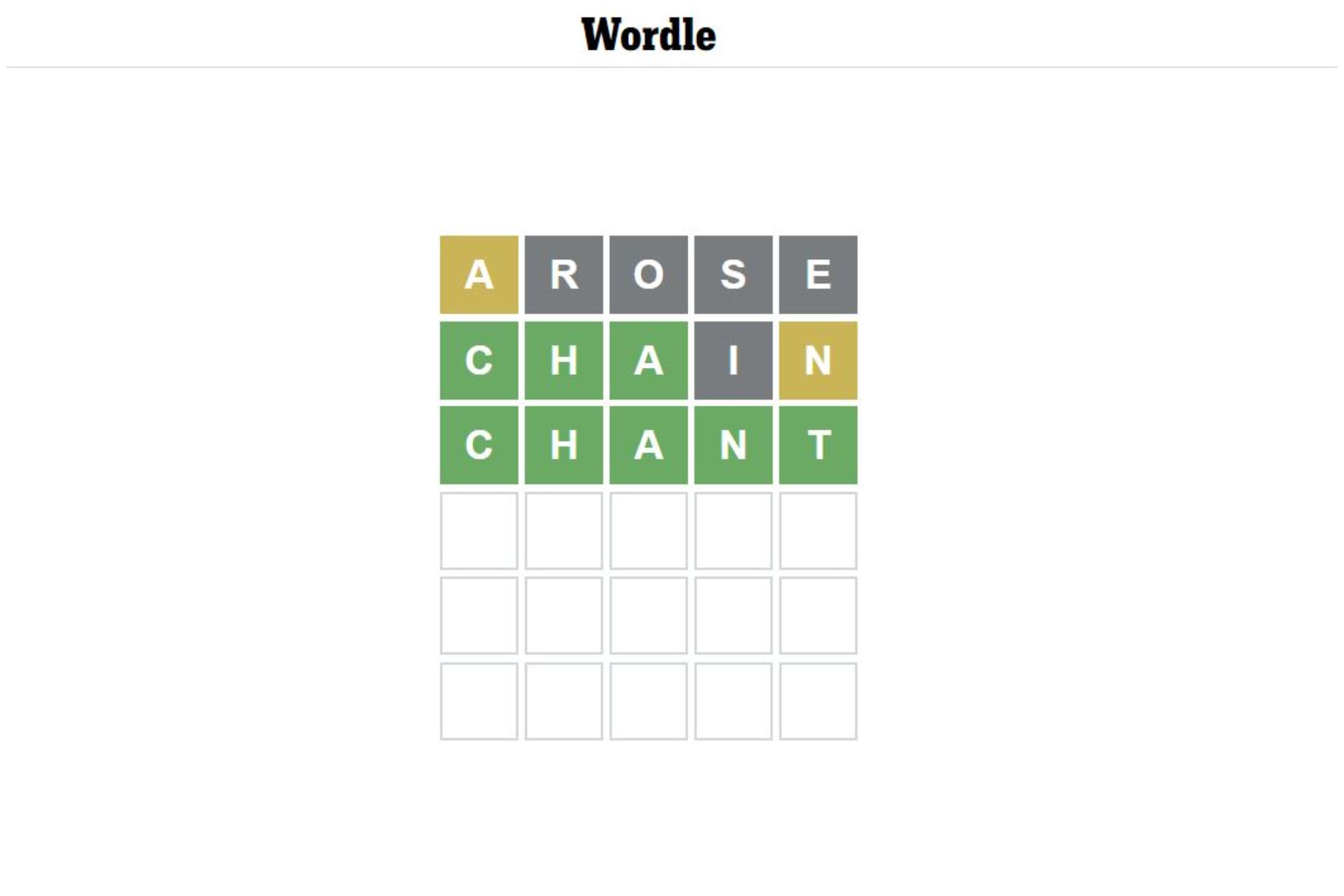
Each day, players receive a new five-letter word to guess. The process is straightforward yet engaging: users type a guess and receive feedback through colour-coded tiles—green squares for correct letters in the right position, yellow for correct letters in the wrong position, and grey for letters not in the word at all. This feedback loop encourages strategic guesses, with players often turning to social media to share their daily results. According to recent statistics, over 2 million players log in to enjoy the puzzle each day, underlining its significant cultural impact.
Community and Strategy
The various online forums and social media platforms have led to the rise of collaborative strategies that players are eager to share. For example, common starting words like “RAISE” or “SLATE” are often debated and discussed, as they aim to cover the most frequently used letters in the English language. Players have noted trends in the types of words chosen by The New York Times, with a mixture of familiar and obscure words, making each day a unique challenge. Tools and apps designed to help players improve their guessing have also emerged, contributing to a vibrant culture around the game.
Future Insights
As NYT Wordle continues to evolve, there is speculation about potential new features, including variations on difficulty levels and modes of gameplay. However, the essence of the game remains—combining simplicity with mental challenge. For readers who are already a part of the Wordle community or are considering joining, staying engaged through social media discussions and experimenting with different guessing strategies will markedly enhance their experience. Wordle’s journey not only reflects the love for language but also serves as a reminder of how simple games can unite people across the globe.
Conclusion
In conclusion, NYT Wordle stands as a testament to the power of language puzzles in modern entertainment. With its broad reach and community-driven strategies, it promises not just to be a passing trend but a significant element of daily routine for many. Whether you’re a seasoned player or just starting, engaging with Wordle contributes to cognitive growth and social interaction, which are invaluable in our increasingly digital world.