Introduction
Nintendo, a titan in the gaming industry, is renowned for its innovation and creativity, creating beloved franchises like Super Mario, The Legend of Zelda, and Pokémon. The significance of Nintendo patents extends beyond mere legal protection; they reflect the company’s commitment to pushing the boundaries of technology and gaming experience. As the gaming landscape continues to evolve, the insights drawn from Nintendo’s patents reveal the company’s strategic direction and potential future innovations.
Recent Developments in Nintendo Patents
In recent months, several Nintendo patents have surfaced, igniting discussions among gaming enthusiasts and industry analysts alike. Notable filings include patents for advanced motion control technologies and augmented reality features that could potentially redefine gameplay. A patent filed in July 2023 outlines a system for improved gesture recognition and player immersion, indicating that Nintendo is likely expanding its focus on interactive gaming experiences. Such innovations could enhance gameplay mechanics in existing franchises and new titles.
The Significance of Nintendo Patents
Patents serve as a crucial part of Nintendo’s strategy, not only protecting their intellectual property but also focusing their research and development efforts. By securing patents for new technologies, Nintendo aims to maintain its competitive edge in the fast-paced gaming industry. The company’s willingness to invest in innovative hardware and software solutions reflects a broader trend; as gaming becomes more interconnected with technology, patenting unique solutions will continue to be essential. Furthermore, these patents often foreshadow new products or updates to current systems, generating excitement among fans regarding what lies ahead.
Case Studies of Noteworthy Patents
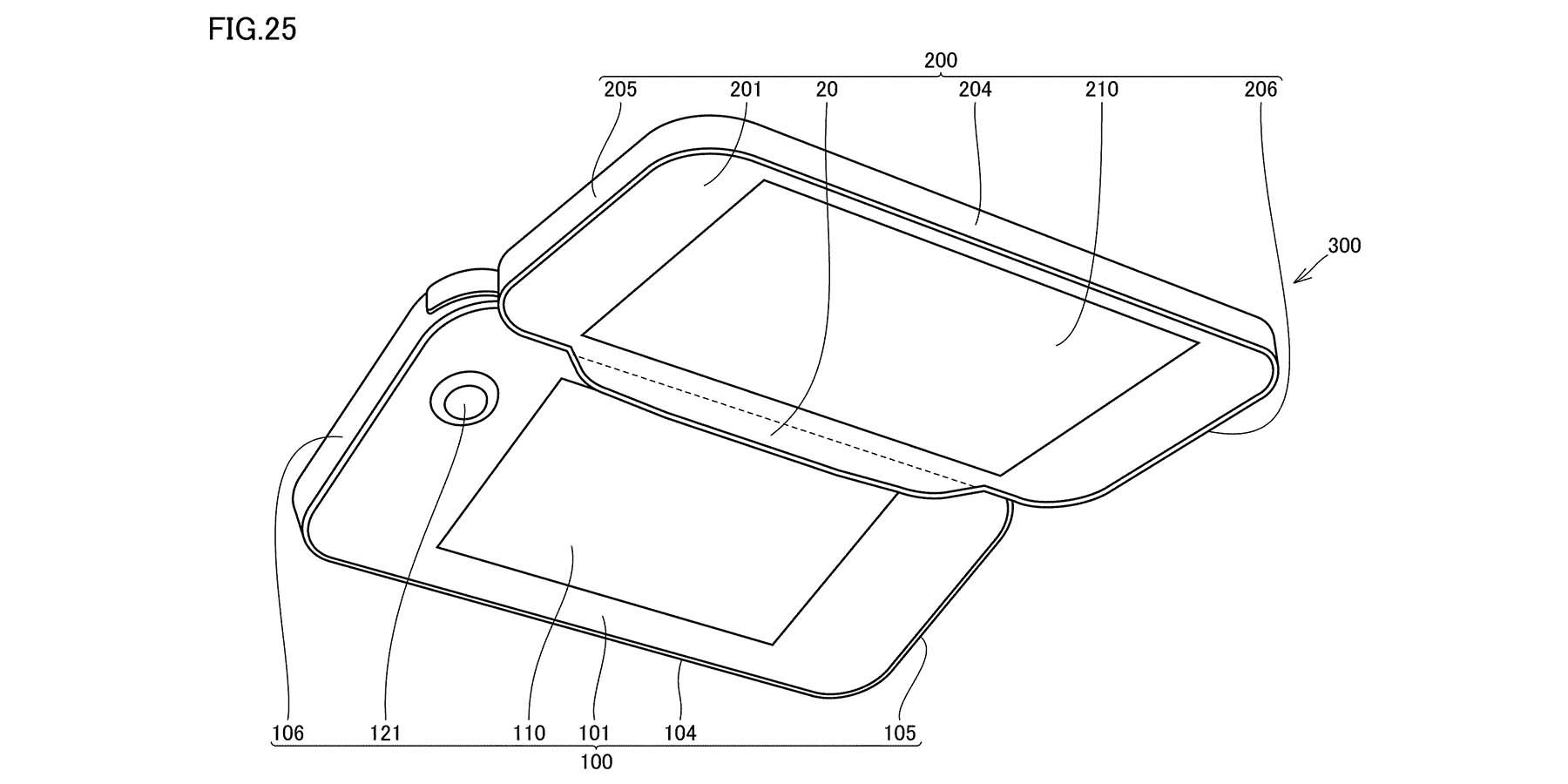
One interesting example is a patent related to a new portable gaming device, indicative of Nintendo’s efforts to remain relevant in the mobile gaming sector, which has seen substantial growth. The device’s ability to seamlessly transition screen input from a standard controller to touch controls illuminates Nintendo’s attempts to cater to a diverse group of gamers. Additionally, a recent patent describing an AI-driven game narrative system suggests that Nintendo might be exploring ways to create more personalised gameplay experiences.
Conclusion
As Nintendo continues to file and innovate through its patents, the future of gaming remains uncertain yet thrilling. The company’s ongoing commitment to exploring new territories in technology could lead to revolutionary gaming experiences that resonate with both current fans and newer generations. The examination of recent patents suggests a strategic vision focused on immersive experiences and innovative gameplay. For readers, this signals a time of anticipation, as the implications of these patents will likely unfold in upcoming consoles and new titles, posing fundamental questions about the future of interactive entertainment.