Introduction
The National Aeronautics and Space Administration (NASA) has been at the forefront of space exploration and science for over six decades. Its significance cannot be overstated, as it shapes our understanding of the universe and drives innovative technology. NASA plays a crucial role in fostering international collaboration, inspiring future generations, and pushing the boundaries of what we know about space.
Recent Missions and Discoveries
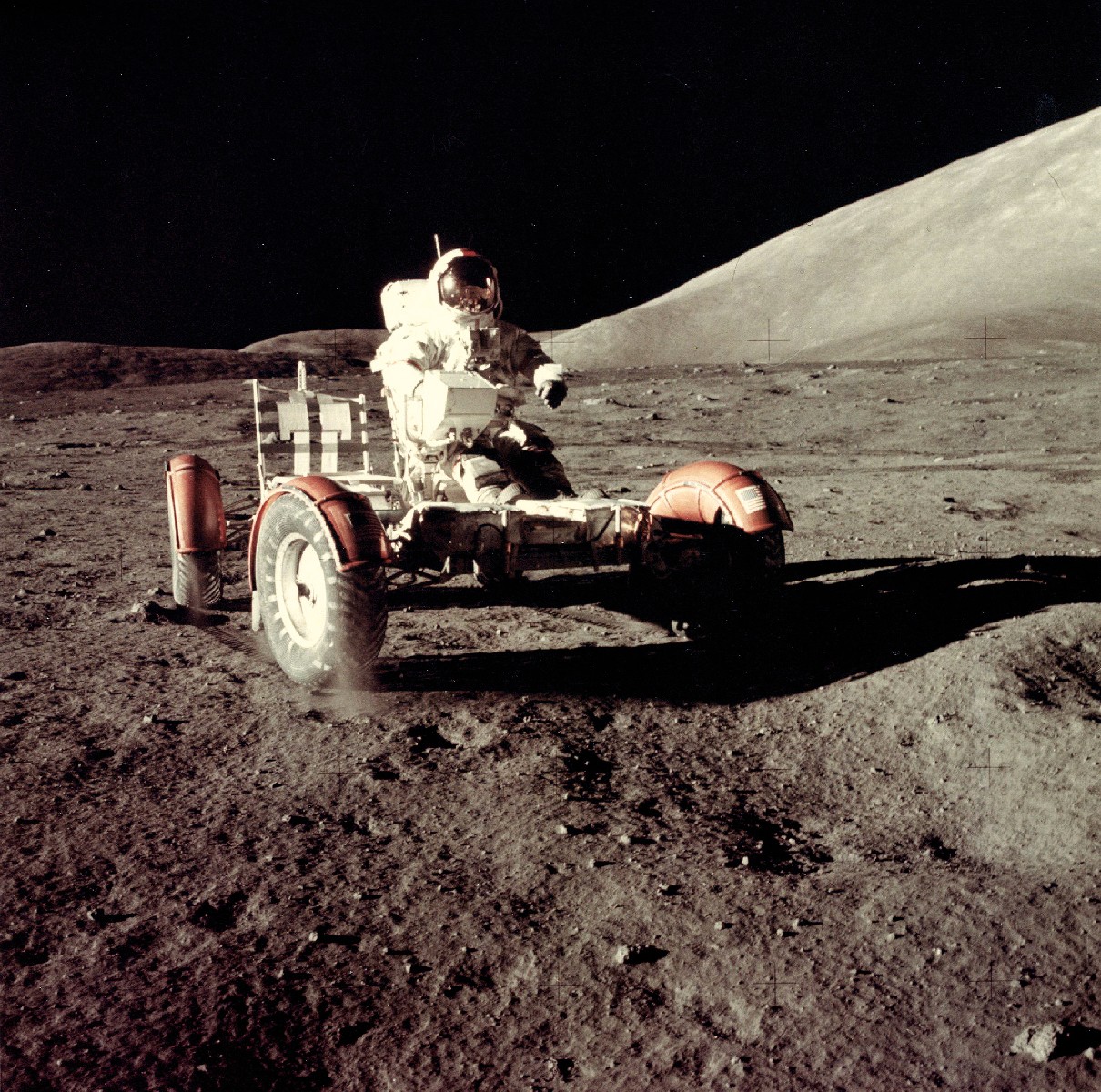
Among its latest missions is the Artemis program, aimed at returning humans to the Moon by the mid-2020s. The program’s success is vital for future Mars exploration. The upcoming Artemis II mission, planned for 2024, will include a crewed flyby of the Moon, paving the way for sustainable human presence on the lunar surface.
In addition, NASA’s Mars Perseverance rover, which landed on the Martian surface in February 2021, has completed numerous scientific tasks. It is currently examining rocks and soil in search of signs of ancient life while collecting samples for future return to Earth. The rover has also been testing technologies that could support human explorers, such as oxygen production from the Martian atmosphere.
NASA’s James Webb Space Telescope (JWST), launched in December 2021, has begun revealing unprecedented insights into distant galaxies and star formation. The telescope’s advanced capabilities allow astronomers to peer back more than 13 billion years into the universe’s history, greatly enhancing our understanding of cosmic evolution.
Implications for the Future
The recent advancements made by NASA highlight not only the agency’s scientific and technological prowess but also its commitment to addressing global challenges, such as climate change. Ongoing missions like the Earth Observing System (EOS) provide critical data needed to understand and mitigate environmental changes.
Looking ahead, NASA’s continued collaboration with international space agencies like ESA (European Space Agency), JAXA (Japan Aerospace Exploration Agency), and others will be pivotal in expanding our capabilities. Innovations stemming from NASA’s research and development efforts are expected to have far-reaching effects on industries back on Earth, including telecommunications, healthcare, and materials science.
Conclusion
Ultimately, NASA’s endeavors not only promote scientific discovery but also inspire humanity to dream big and reach for the stars. The agency’s ongoing and future missions will likely yield transformative insights into our universe and shape the trajectory of space exploration. As NASA continues to push the frontiers of space science, the importance of its work remains paramount for both present and future generations.