Introduction
Melbourne, often hailed as Australia’s cultural capital, is a city renowned for its rich heritage, diverse population, and thriving arts scene. As the second-largest city in Australia and the capital of Victoria, Melbourne plays a crucial role not just in its local region but also on the global stage. Understanding Melbourne’s significance is essential, especially in the context of its economic resilience, cultural diversity, and the current recovery from the impacts of the COVID-19 pandemic.
The Cultural Landscape
Melbourne’s cultural landscape is vibrant and multifaceted. It boasts numerous galleries, theatres, and music venues that attract both locals and tourists. The National Gallery of Victoria, the Melbourne Arts Centre, and the annual Melbourne International Comedy Festival are just a few highlights that underscore the city’s commitment to arts and culture. Recent reports indicate that Melbourne’s cultural sector has seen a resurgence post-pandemic, with increased attendance in events and exhibitions, reflecting a strong public interest in engaging with the arts.
Economic Impact
The economy of Melbourne is another area of significance. The city is a major financial hub within Australia, contributing significantly to the national GDP. The economic recovery following the pandemic has been steady, with unemployment rates dropping to around 4.5% as of September 2023. Melbourne’s diverse economy, incorporating sectors such as technology, education, and tourism, has proven to be robust, providing a strong foundation for future growth.
Public Transport Development
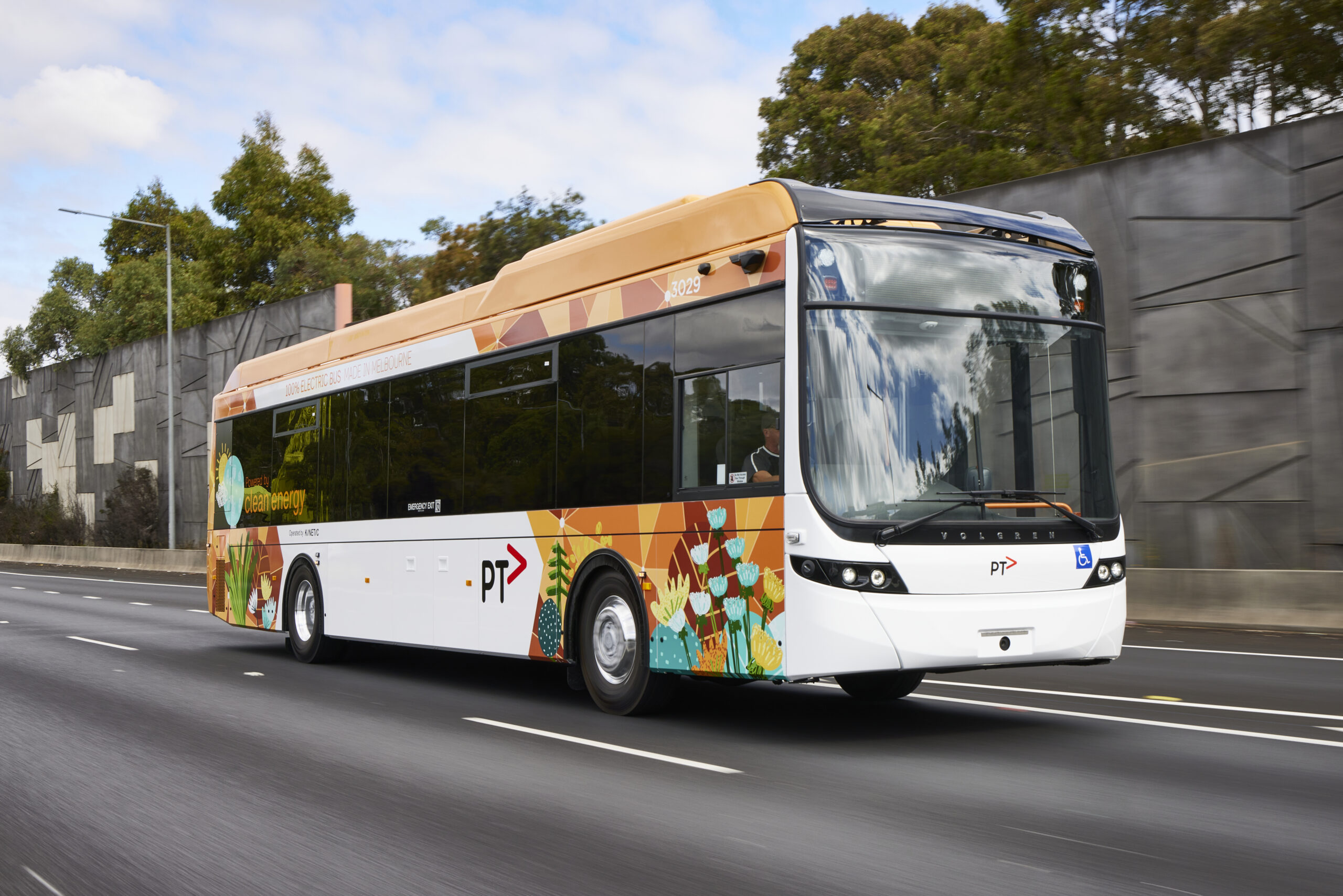
Public transport remains a vital aspect of life in Melbourne. The recently completed Metro Tunnel project, which expanded the city’s rail network, has improved connectivity and accessibility across the city. This development is expected to reduce congestion in central areas significantly, making public transport a more attractive option for residents and visitors alike. With climate change and sustainability becoming ever-more pressing issues, Melbourne is also investing in tram and bus electrification, aiming to create a greener urban environment.
Conclusion
In summary, Melbourne stands as a testament to resilience, cultural diversity, and economic strength. Its ongoing developments in infrastructure and a renewed focus on arts and culture signal a bright future for the city. For residents and visitors alike, Melbourne continues to offer a unique blend of experiences that encapsulate the spirit of Australia. As the city looks ahead, it is poised to remain a pivotal player, not only within Australia but also in the international arena.