Introduction
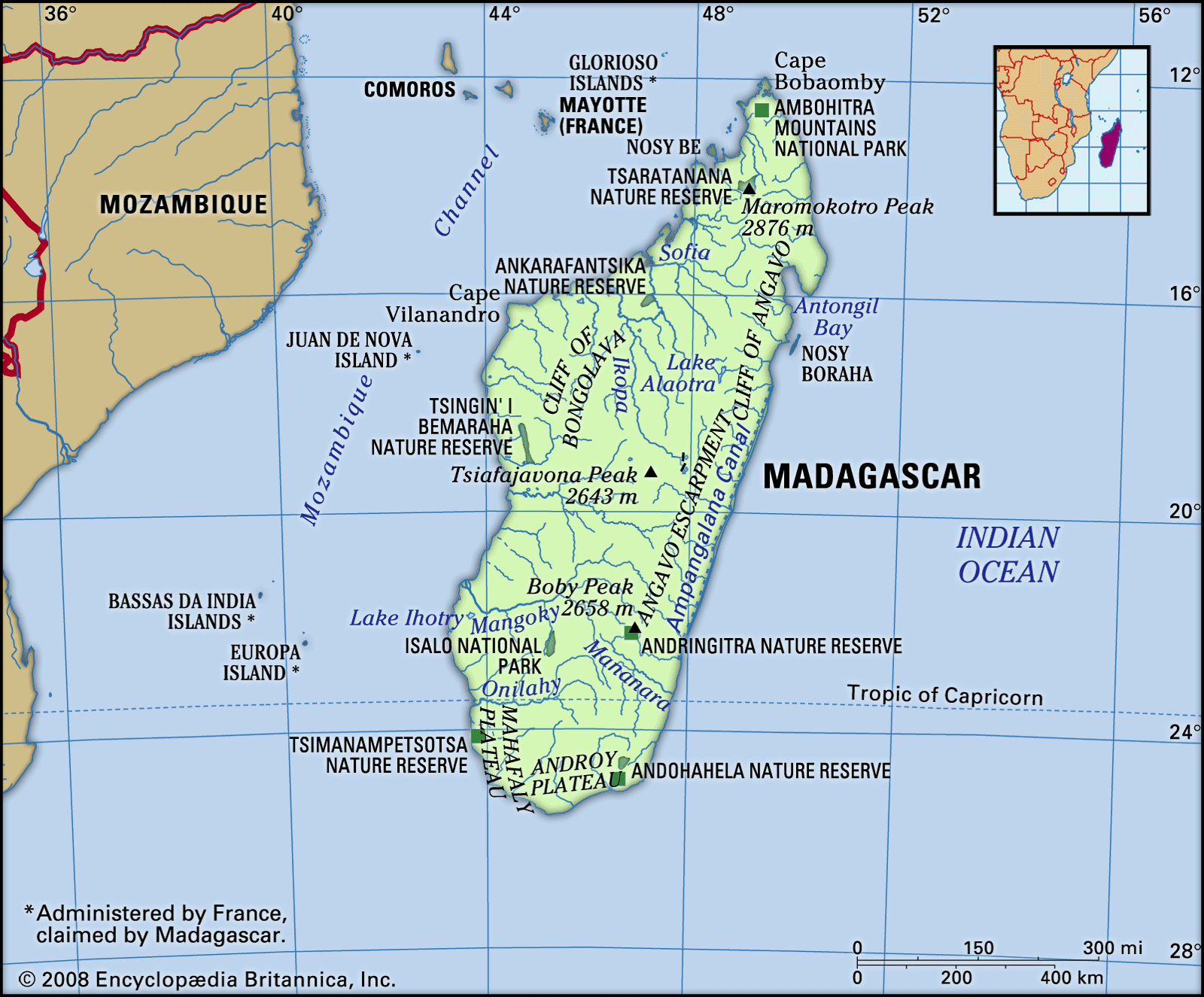
Madagascar, the fourth largest island in the world, is renowned for its incredible biodiversity and distinct cultural heritage. As an island nation located off the southeastern coast of Africa, Madagascar is home to unique species found nowhere else on Earth, such as lemurs and various endemic plants. The importance of Madagascar extends beyond its ecological profile, as it faces significant challenges regarding its economy and conservation efforts, making it a focal point of global interest.
The Biodiversity of Madagascar
Madagascar’s ecosystems are particularly significant due to the isolation that the island has experienced for millions of years. Approximately 90% of its wildlife is unique to the island, which has led to significant attention from conservationists. The island is designated as a biodiversity hotspot and is home to unique habitats ranging from rainforests to arid landscapes. Recent studies show that conservation efforts are critical as human activities, including deforestation and illegal wildlife trade, threaten this unique biodiversity.
Cultural Heritage
Culturally, Madagascar is a tapestry of influences, with over 18 ethnic groups and a rich history that reflects a mix of African, Asian and European influences. Malagasy traditions and customs, such as the ‘famadihana’ or turning of the bones ceremony, highlight the unique cultural practices that distinguish its people. The island’s languages, primarily Malagasy and French, also play a crucial role in its cultural identity, with ongoing efforts to promote and preserve these languages in the face of globalization.
Economic Challenges and Developments
The economic landscape of Madagascar has faced numerous hurdles, including political instability, poverty, and infrastructure deficits. During the COVID-19 pandemic, the economy was severely impacted, putting additional strain on the already struggling sectors. However, there are signs of improvement with attention being directed towards sustainable tourism and agriculture. Recent initiatives aim to promote eco-tourism as a means of income while ensuring the preservation of the island’s natural habitats.
Conclusion
Madagascar’s allure as a destination for both scientists and tourists is undeniable, but the challenges it faces cannot be overlooked. Efforts to protect its unique biodiversity and cultural heritage, alongside economic recovery strategies, will be crucial in shaping the future of this remarkable island nation. As global awareness of environmental issues heightens, Madagascar remains an important case study in balancing development with conservation, a trend that is likely to attract ongoing international attention.