Introduction
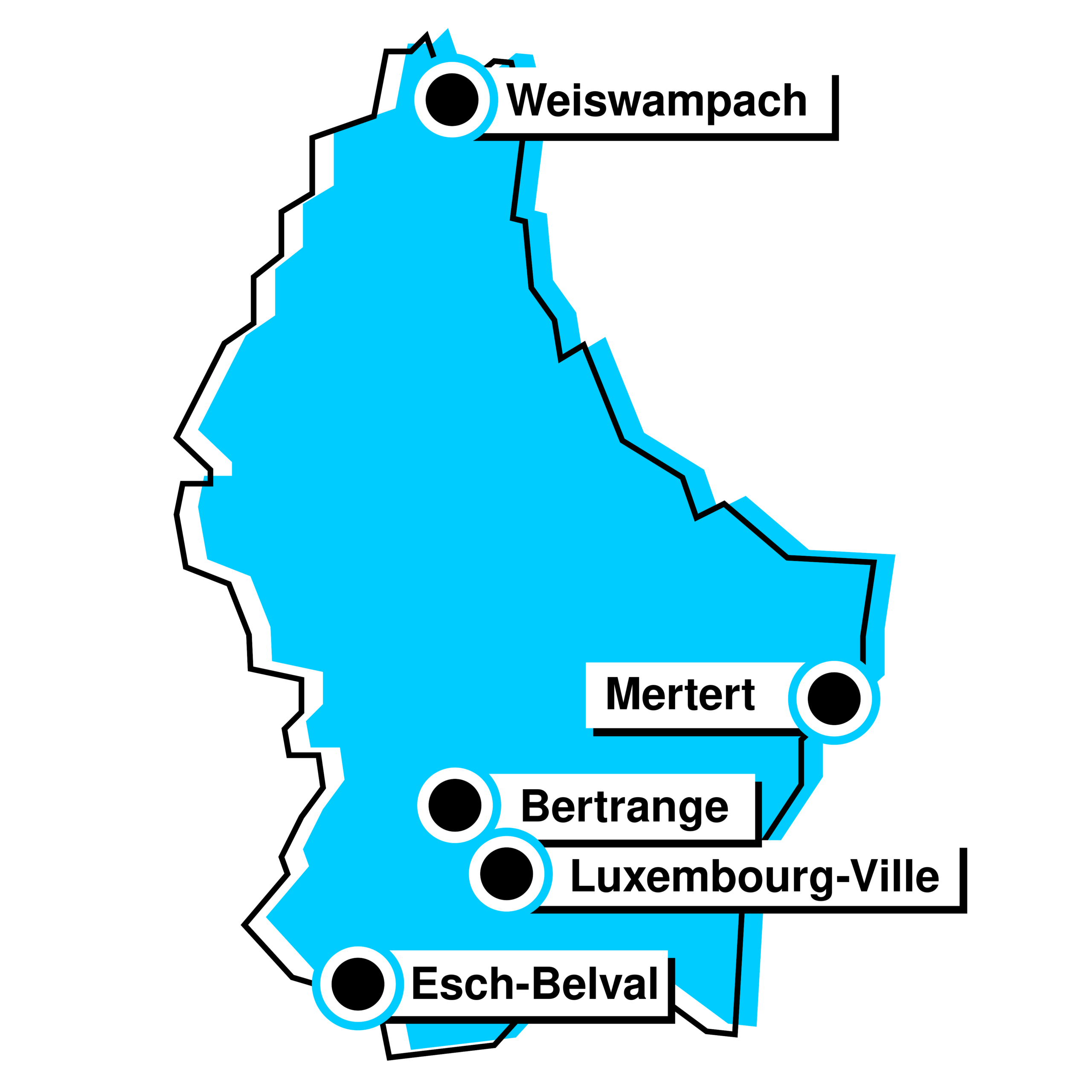
Luxembourg, a landlocked country nestled between Belgium, Germany, and France, has become a focal point in Europe due to its strategic location, robust economy, and rich cultural heritage. As one of the founding members of the European Union, Luxembourg plays an influential role in European politics and economics. Its significance is further augmented by its status as a financial hub and its commitment to multilingualism and multiculturalism.
Economic Stability
The economy of Luxembourg is diverse and resilient, relying on a mix of industries including finance, technology, and manufacturing. According to the latest reports from Eurostat, Luxembourg boasts one of the highest GDP per capita in the world, reflecting its strong economic performance. The financial sector remains dominant, with banks and investment firms attracted by competitive tax rates and a stable regulatory environment.
Recently, Luxembourg has also been at the forefront of the technology sector, especially in data storage and digital services. The government’s active investment in tech startups is fostering innovation and attracting international talent.
Cultural Landscape
Luxembourg’s culture is a unique blend influenced by its neighbouring countries. The country is known for its vibrant arts scene, historic architecture, and a plethora of festivals celebrating its heritage. The capital city, Luxembourg City, is a UNESCO World Heritage Site dotted with fortresses, old quarters, and contemporary buildings that showcase the country’s evolution through time.
Language diversity is another hallmark of Luxembourg. The official languages include Luxembourgish, French, and German, which reflects the country’s multicultural population. This linguistic richness enhances the cultural experience for both residents and visitors, making Luxembourg a truly international destination.
Current Events and Future Outlook
As of late 2023, Luxembourg is grappling with the effects of the global economic climate, including challenges posed by inflation and supply chain disruptions. However, the government’s proactive measures and robust policies are expected to help maintain economic stability. Future forecasts suggest continued growth, particularly in the tech sector, as the nation seeks to position itself as a leader in sustainable technologies and digital innovation.
Conclusion
In summary, Luxembourg is a small country with an outsized impact in Europe and beyond. Its thriving economy, rich cultural landscape, and strategic initiatives in technology position it as a key player on the global stage. For readers, understanding Luxembourg’s dynamics can provide insights into the broader European context, encouraging exploration of this unique nation. As global events continue to unfold, Luxembourg’s response will undoubtedly shape its future trajectory and that of the wider region.