Introduction
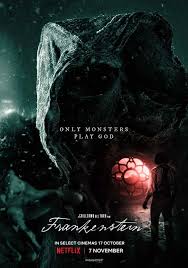
Guillermo Del Toro, the Oscar-winning filmmaker known for his unique blend of horror and fantasy, has long expressed his fascination with Mary Shelley’s classic novel, Frankenstein. The story of creation, monstrosity, and the human condition resonates with contemporary audiences, making Del Toro’s potential adaptation highly anticipated. As the film industry continues to explore themes of identity and monstrosity, Del Toro’s interpretation promises to breathe new life into this timeless tale.
The Significance of Frankenstein
Frankenstein, first published in 1818, is not just a story about a monster but a profound exploration of the consequences of unchecked ambition and the quest for knowledge. Del Toro, whose works often feature deep emotional narratives within fantastical settings, aims to delve into the psyche of both Victor Frankenstein and his creation. His previous works, such as The Shape of Water and Pan’s Labyrinth, showcase Del Toro’s ability to humanise monsters, challenging audiences to empathise with them instead of fearing them. This aligns perfectly with the themes present in Shelley’s novel.
Del Toro’s Approach to the Adaptation
Though specifics about Del Toro’s adaptation are still under wraps, he has indicated a desire to stay true to the novel’s roots while infusing it with his artistic signature. This includes a focus on visual storytelling, integrating stunning cinematography and practical effects to create a visceral experience for viewers. Collaborating with frequent collaborator Doug Jones, known for embodying fantastical creatures, may also provide a fresh take on the iconic creature.
Current Developments and Expectations
As of late 2023, Guillermo Del Toro’s adaptation of Frankenstein is still in the development stages, garnering excitement amongst fans of both the director and the original story. The recent trend of reimagining classic stories has opened avenues for innovative interpretations, and Del Toro is at the helm of this wave. With his unparalleled ability to blend the macabre with beauty, audiences can expect a visually stunning and emotionally charged experience.
Conclusion
Guillermo Del Toro’s Frankenstein is poised to be a significant addition to the ongoing conversation surrounding themes of creation and isolation in contemporary cinema. Through his lens, the classic tale may find a new relevance, encouraging viewers to reflect on the complexities of identity and the nature of monstrosity. As production progresses, fans and critics alike will be eager to see how Del Toro interprets Shelley’s narrative in an era marked by significant technological and ethical dilemmas.



