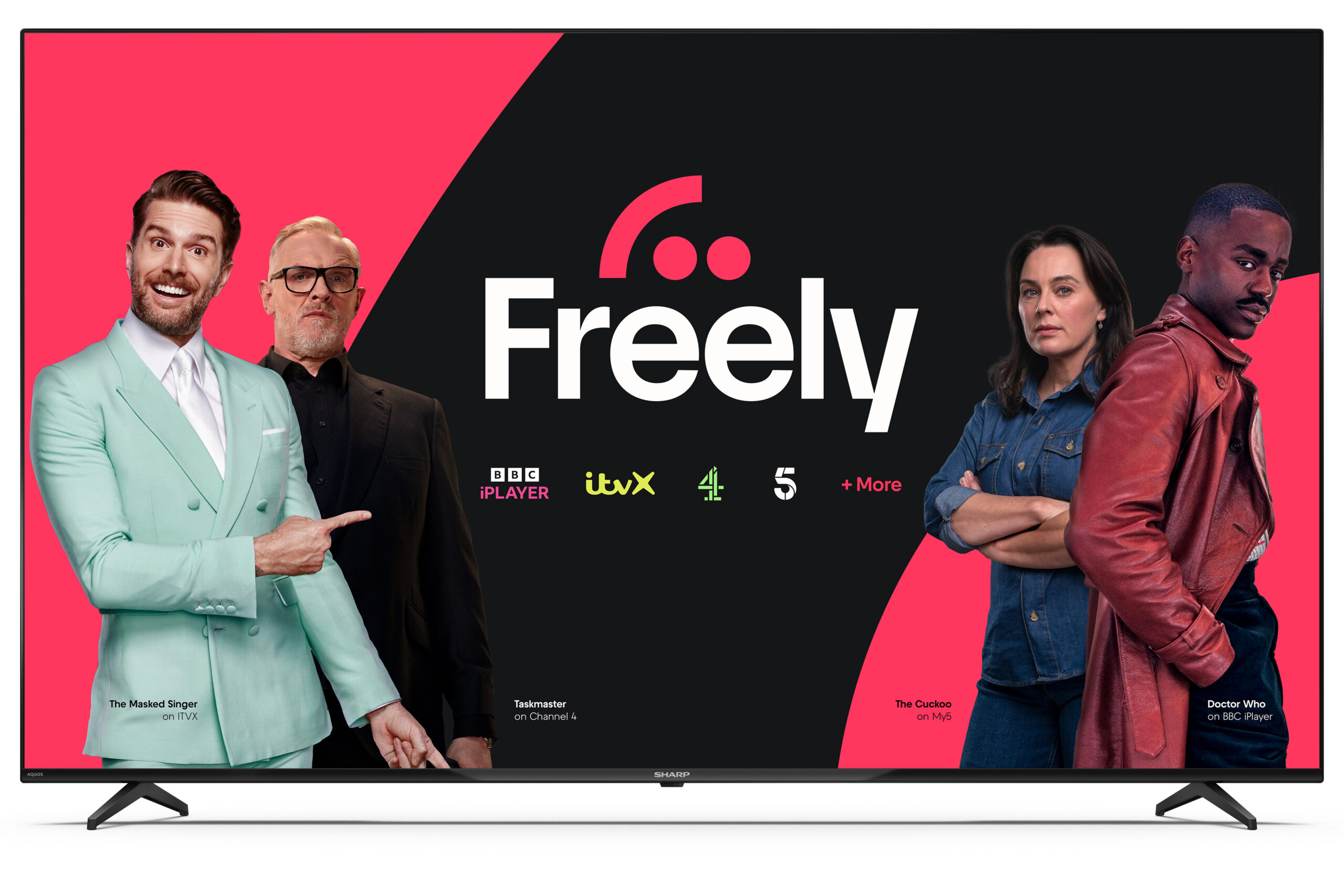
Introduction to Freely TV
In today’s digital age, access to quality entertainment is paramount. Freely TV has emerged as a significant player in the streaming landscape, seeking to make television content more accessible to a wider audience. With the rise of subscription-based platforms, Freely TV’s model of offering free, ad-supported viewing represents a pivotal shift in how content is consumed. This has implications not only for viewers but also for the future of media distribution and content creation.
What is Freely TV?
Freely TV is a free streaming platform that allows users to watch a diverse array of television shows, documentaries, and movies without the burden of monthly fees. Instead, it funds its operations through advertisements, which means that viewers can enjoy their favourite programmes at no cost. This model appeals largely to budget-conscious consumers who may seek alternatives to expensive subscription services.
Current Trends and Popularity
With more consumers moving away from traditional cable services, Freely TV capitalises on this trend by offering a broad selection of programming, including news, entertainment, and niche content that might otherwise be overlooked on mainstream channels. Recent studies indicate that ad-supported video-on-demand services are gaining traction, with a significant increase in viewership over the past year. In the United Kingdom alone, millions of households are expected to engage with free streaming services as they seek cost-effective entertainment solutions.
Challenges and Considerations
Despite its growing popularity, Freely TV faces challenges including competition from established platforms such as Netflix and Amazon Prime Video, which offer exclusive content and user experience enhancements. Additionally, the reliance on advertisements can sometimes result in interruptions that may deter viewers. Maintaining a balance between ad content and quality programming will be crucial for Freely TV’s sustained success.
Conclusion
The significance of Freely TV lies in its potential to democratise access to entertainment. As consumer preferences shift, it represents a noteworthy movement towards more accessible media. Looking ahead, Freely TV could pave the way for other platforms that seek to operate on a similar model, fostering a new era of content distribution that prioritises user accessibility. For viewers, Freely TV not only enhances the landscape of media consumption but also offers a glimpse into a future where entertainment is more inclusive and within reach for everyone.