Introduction
Frankfurt, the fifth-largest city in Germany, stands out as a vital financial hub in Europe. With its impressive skyline, cultural landmarks, and status as a global finance centre, Frankfurt is not just the economic engine of Germany but also a significant player in global financial markets. The city’s relevance is underscored by its host of international corporations, the European Central Bank, and a thriving arts scene, making it a focal point for business and tourism.
Economic Significance
Frankfurt is often referred to as the financial capital of Germany due to the substantial presence of banking institutions. The European Central Bank (ECB), which oversees monetary policy for the Eurozone, is headquartered in the city. Additionally, Frankfurt hosts numerous banks including Deutsche Bank, Commerzbank, and various international financial giants, contributing significantly to Germany’s GDP.
The Frankfurt Stock Exchange, one of the world’s largest stock exchanges by market capitalization, further solidifies the city’s standing in global finance. In 2023, the exchange reported trading volumes increasing by 10% over the previous year, indicating resilience in the European economy amid global uncertainties.
Cultural Highlights
Beyond economics, Frankfurt boasts a rich cultural landscape. The city is home to several renowned museums, including the Städel Museum and the Museum of Modern Art, which attract art lovers from around the globe. The Römer, Frankfurt’s historical city hall, and the picturesque old town provide a glimpse into the city’s past, juxtaposing modern skyscrapers with historic architecture.
Frankfurt also hosts numerous festivals, such as the Frankfurt Book Fair, the largest of its kind in the world, drawing thousands of publishers and authors annually. This event underscores the city’s importance as a cultural and literary capital.
Transportation and Accessibility
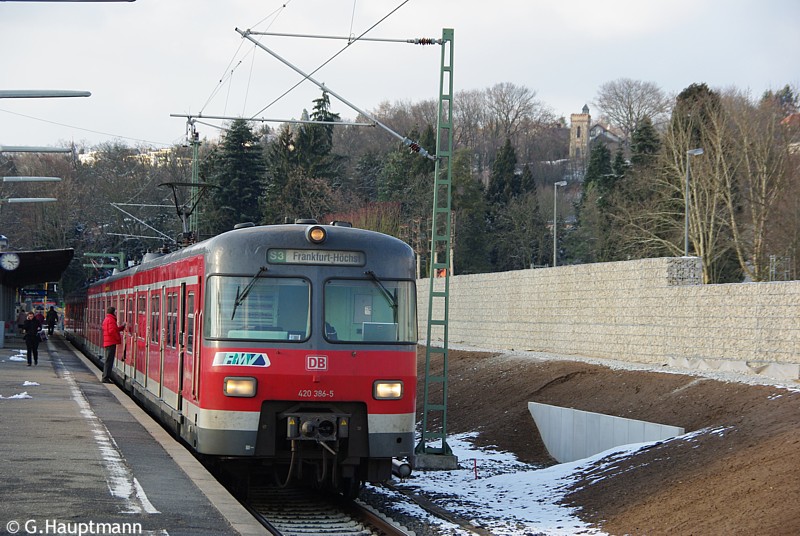
Frankfurt is celebrated for its efficient public transport system, including the extensive U-Bahn, S-Bahn, and trams that connect various districts smoothly. The city’s airport, Frankfurt am Main Airport, is one of the busiest in Europe, facilitating global connectivity for international business and tourism.
Conclusion
In summary, Frankfurt is a city that seamlessly combines economic power with a vibrant cultural scene. As it continues to expand, its role as a financial hub remains crucial, especially in the context of European and global economies. For businesses and tourists alike, Frankfurt offers a unique experience that encapsulates the essence of modern Germany while honouring its rich history. Looking ahead, it is expected that Frankfurt will further solidify its position in the financial world while continuing to develop its cultural appeal, making it an even more attractive destination for international visitors.