Introduction
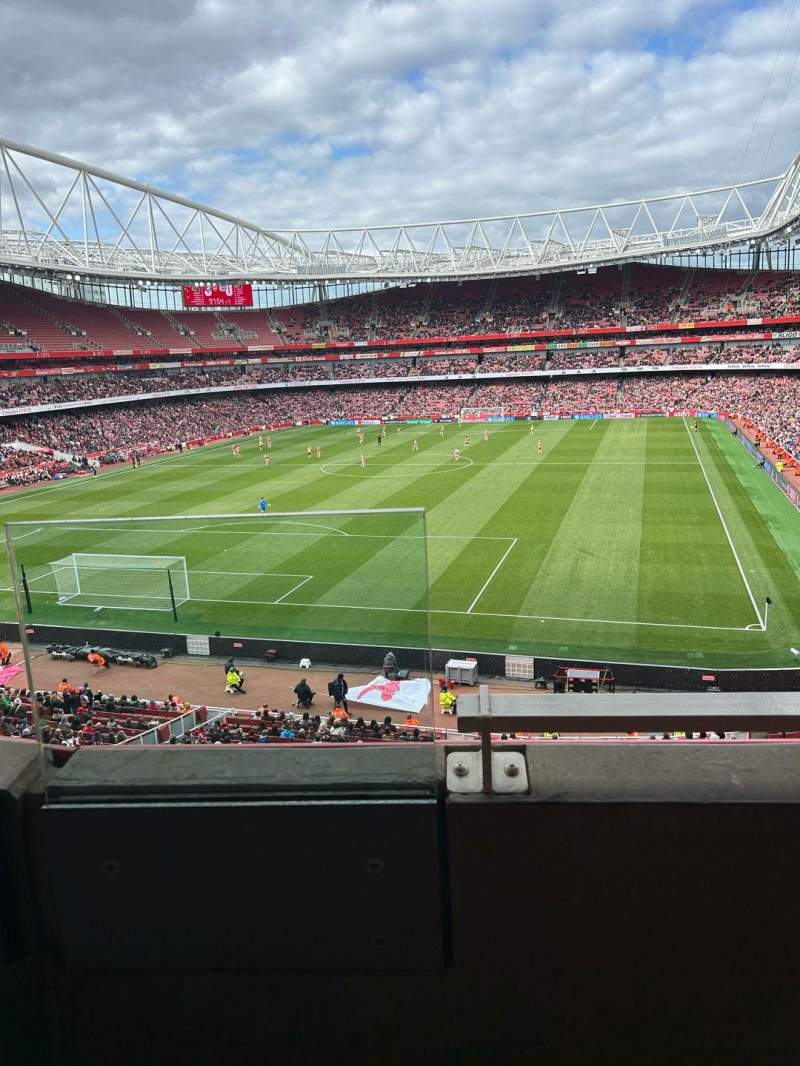
Emirates Stadium, the impressive home ground of Arsenal Football Club, stands as a testament to modern football architecture and sporting heritage. Opened in 2006, this iconic stadium has become a pivotal location not just for Arsenal fans, but for football enthusiasts across the globe. Understanding its significance in the context of sports culture helps us appreciate the new era of football stadiums designed for fans and players alike.
Key Features and Design
Designed by the prominent architecture firm Populous, Emirates Stadium boasts a seating capacity of around 60,000, making it one of the largest stadiums in the United Kingdom. The design reflects both aesthetic appeal and functionality, featuring a striking façade and world-class facilities, including hospitality suites, media lounges, and state-of-the-art scoreboards. The stadium has also been praised for its environmentally friendly efforts, incorporating sustainable practices in its construction and operation.
Significant Events and Matches
Since its opening, Emirates Stadium has hosted numerous memorable matches, including exhilarating Premier League clashes and pivotal UEFA competitions. It served as the venue for the 2011 UEFA Champions League Final and has consistently been a battleground for other prestigious tournaments. The stadium’s atmosphere is often described as electric, especially during derby matches against rivals such as Tottenham Hotspur, which further cements its importance in the footballing calendar.
Community and Economic Impact
Beyond its role as a sports venue, Emirates Stadium has also made significant contributions to the local community and economy. The club actively engages in various outreach programmes, promoting sports and healthy living among youth in the area. Additionally, with its expansive hospitality and retail facilities, the stadium generates substantial revenue, thus acting as a catalyst for job creation in the surrounding borough of Islington.
Conclusion
Emirates Stadium undoubtedly holds a central place in the heart of football culture both locally and globally. With its impressive design, rich history of significant events, and commitment to community engagement, it continues to provide fans with unforgettable experiences. As Arsenal FC looks to the future, Emirates Stadium is set to remain a key player in the landscape of football, potentially hosting even greater events and continuing to foster a love for the game among new generations of supporters. This legacy makes it more than just a football ground; it is a landmark of sporting excellence.