Introduction
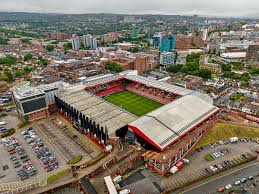
Bramall Lane, home of Sheffield United Football Club, is not just a ground; it is a significant landmark in the world of football. Established in 1855, it is the oldest football stadium still in use, making it a point of cultural and historical relevance not only for Sheffield but for football enthusiasts worldwide. As discussions increase surrounding the future of football stadiums and community engagement, Bramall Lane stands as a pivotal case study.
Historical Significance
Originally opened as a cricket ground, Bramall Lane evolved into a football stadium and began hosting Sheffield United matches in 1889. The venue has witnessed notable events, including five FA Cup finals and England’s first international match against Scotland in 1872. The stadium’s architecture has undergone several transformations, contributing to its unique character with a current capacity of approximately 32,000 spectators.
Recent Developments
In recent years, Bramall Lane has not only continued to host Sheffield United’s home fixtures but also stepped up as a centre for community events. In July 2023, the club announced plans for renovations aimed at modernising fan facilities while retaining the stadium’s historic charm. These updates include improved seating arrangements and enhanced hospitality areas that promise to enrich the matchday experience.
Community Impact
Additionally, Sheffield United has been actively engaging with local charities and schools, conducting outreach programmes directly from Bramall Lane. This initiative emphasises the importance of the stadium as more than just a sports venue but as a vital part of the community fabric, helping to instil a sense of pride and belonging among residents.
Future of Bramall Lane
Looking forward, Bramall Lane is poised to remain a cornerstone of Sheffield’s sporting identity. With plans to rejuvenate the stadium and enhance fan engagement, the future appears bright. Football experts speculate that alongside its infrastructural developments, Bramall Lane could become a valuable asset for hosting various events, including concerts and community festivals, further embedding it into the culture of Sheffield.
Conclusion
In summary, Bramall Lane is more than just an iconic football ground; it is a testament to the rich history and community spirit of Sheffield. As plans for future renovations unfold and the club continues its outreach programmes, the stadium will likely continue to play a significant role in both the sporting and local landscape, highlighting the enduring legacy of football in the region.