Introduction
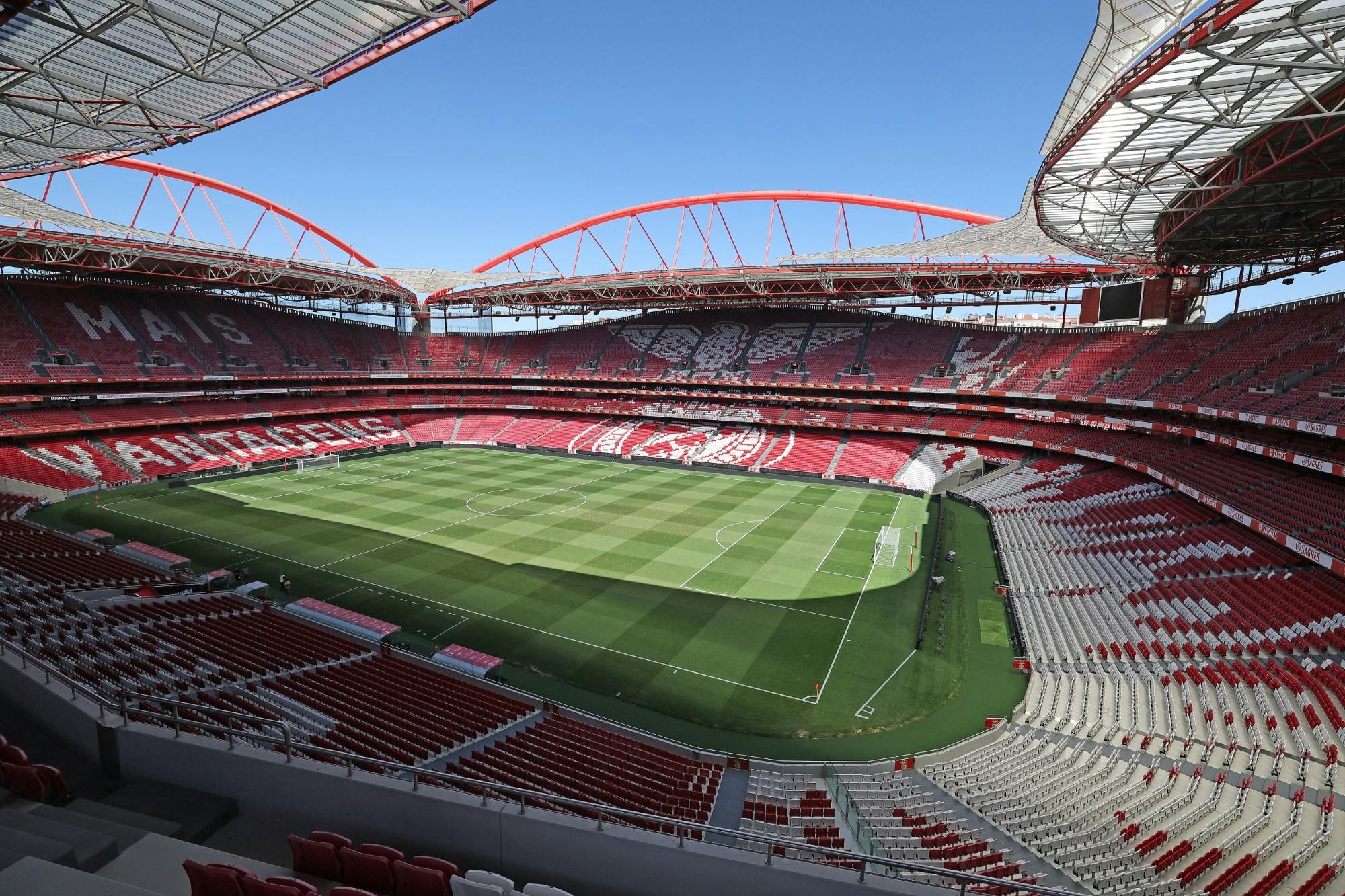
Benfica Stadium, officially known as Estádio da Luz, is a significant landmark in Lisbon and home to the famous S.L. Benfica football club. Opened in 2003, it replaced the original stadium of the same name and has since become an architectural marvel as well as a key location for sporting events in Portugal. Its importance extends beyond just football; it serves as a cultural hub, hosting concerts and events, and represents a rich history for both the club and its passionate fans.
The Stadium’s Design and Capacity
The Estádio da Luz was designed by the renowned architect Damiano de Sassi and boasts a seating capacity of 64,642, making it one of the largest stadiums in Europe. The stadium’s modern design emphasizes light and openness, with its iconic roof that appears to float above the stands, providing an unobstructed view of the pitch. This innovative architecture not only enhances the spectator experience but also elevates the stadium’s aesthetic appeal.
Major Events and Achievements
Since its inauguration, Benfica Stadium has hosted numerous memorable events, including the 2014 UEFA Champions League final, where Real Madrid triumphed over Atlético Madrid. The venue is also pivotal for domestic matches, regularly witnessing thrilling encounters in Portugal’s Primeira Liga and cup competitions. Benfica’s prestigious history is closely tied to this stadium, with the club winning multiple league titles and domestic cups, fostering a deep connection between the team and its supporters.
Community and Cultural Impact
Benfica Stadium is not only a sports venue but also a vital part of the local community. It serves as a space for various events, including concerts featuring international artists. The stadium is often buzzing with activity even outside of match days, showcasing its role in the cultural fabric of Lisbon. Moreover, the stadium complex includes the Benfica Museum, which celebrates the club’s rich history and achievements, thereby deepening the connection between the local populace and their beloved team.
Conclusion
Benfica Stadium stands as a modern symbol of Portuguese football and culture, reflecting the passion and commitment of its fans. As new generations embrace the club, the stadium remains an iconic venue poised to host exciting matches and cultural events in the years to come. With plans for further development and enhancements, the future looks promising for this celebrated stadium, ensuring it will continue to play a crucial role in both local and international football.