Introduction
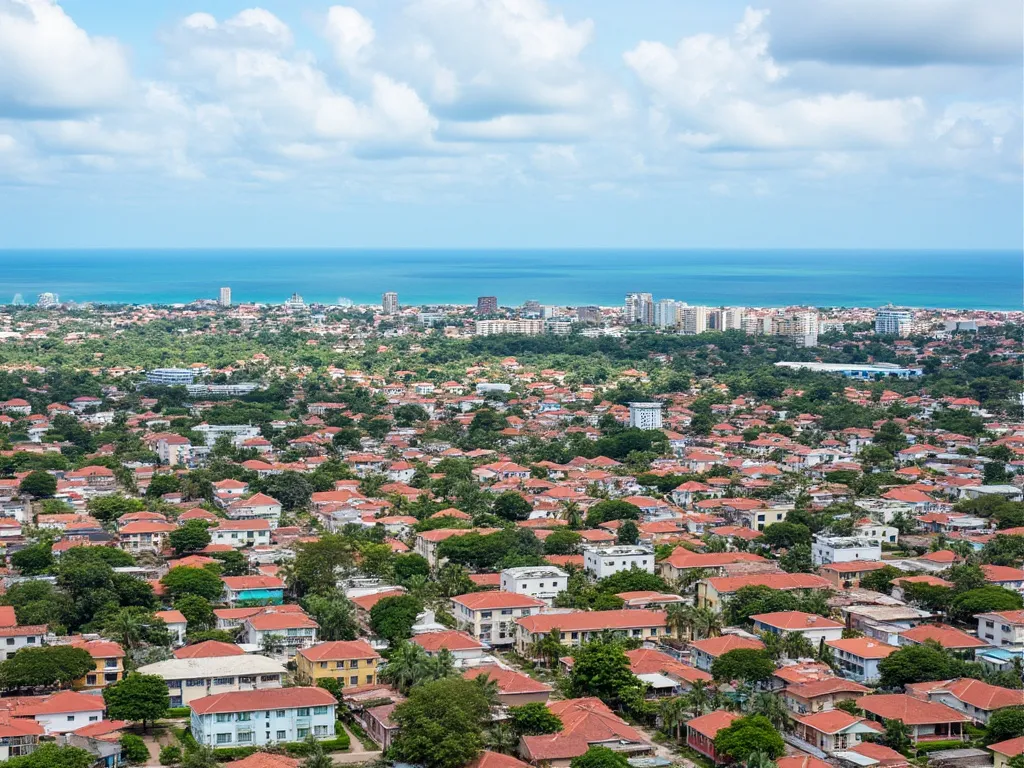
Banjul, the capital city of The Gambia, holds a significant place in the heart of West Africa. It serves as the political and administrative centre of the country and is strategically located on St Mary’s Island at the mouth of the Gambia River. The importance of Banjul extends beyond its governance role; it is a hub for education, culture, and commerce, making it vital to the nation’s development and identity.
Historical Context
Founded in 1816, Banjul was originally established as a British colonial trading post named Bathurst. The city was named after the Banjul River, which is fundamental to the region’s economy and ecology. Its historical significance is highlighted by its colonial architecture, vibrant markets, and cultural diversity, attracting both local and international visitors.
Current Developments
As of 2023, Banjul has seen various infrastructural developments aimed at improving urban living conditions. Recent initiatives focus on waste management, sanitation, and enhancing public spaces. The Gambian government, supported by international partners, aims to modernise the city and tackle issues such as youth unemployment and housing shortages. Furthermore, Banjul is witnessing an increase in tourism, with initiatives to promote its rich cultural heritage, including the National Museum and various festivals celebrating Gambian traditions.
Economic Aspects
The economy of Banjul is primarily influenced by its port, which handles a significant portion of Gambia’s trade. As the main entry point for imports and exports, it plays an essential role in the nation’s economy. Additionally, the tourism sector is steadily growing, diversifying job opportunities and encouraging investments from both local and foreign businesses.
Conclusion
In conclusion, Banjul is much more than just the capital of The Gambia. It represents a dynamic blend of history, culture, and modernity. As the city continues to evolve, it has the potential to become an influential player on the West African stage. For readers interested in politics, history, or tourism, Banjul offers an immersive experience of Gambian lifestyle and heritage, making it a significant locale to watch in the coming years.