Introduction
Armenia, a nation nestled in the South Caucasus region, is renowned for its rich cultural heritage and tumultuous history. As one of the oldest countries in the world, Armenia boasts a legacy that dates back millennia. Its unique position at the crossroads of Eastern Europe and Western Asia makes it a significant player in regional politics and culture. Understanding Armenia’s current events, particularly its recent geopolitical struggles and achievements, provides insight into its importance on the world stage.
Historical Overview
Armenia was the first nation to adopt Christianity as its state religion in 301 AD. This pivotal decision has shaped its identity and heritage, with many ancient churches and monasteries emphasizing its long-standing Christian roots. However, Armenia’s history is also marked by conflict, including the Armenian Genocide during World War I, which led to significant loss of life and territory.
Recent Developments
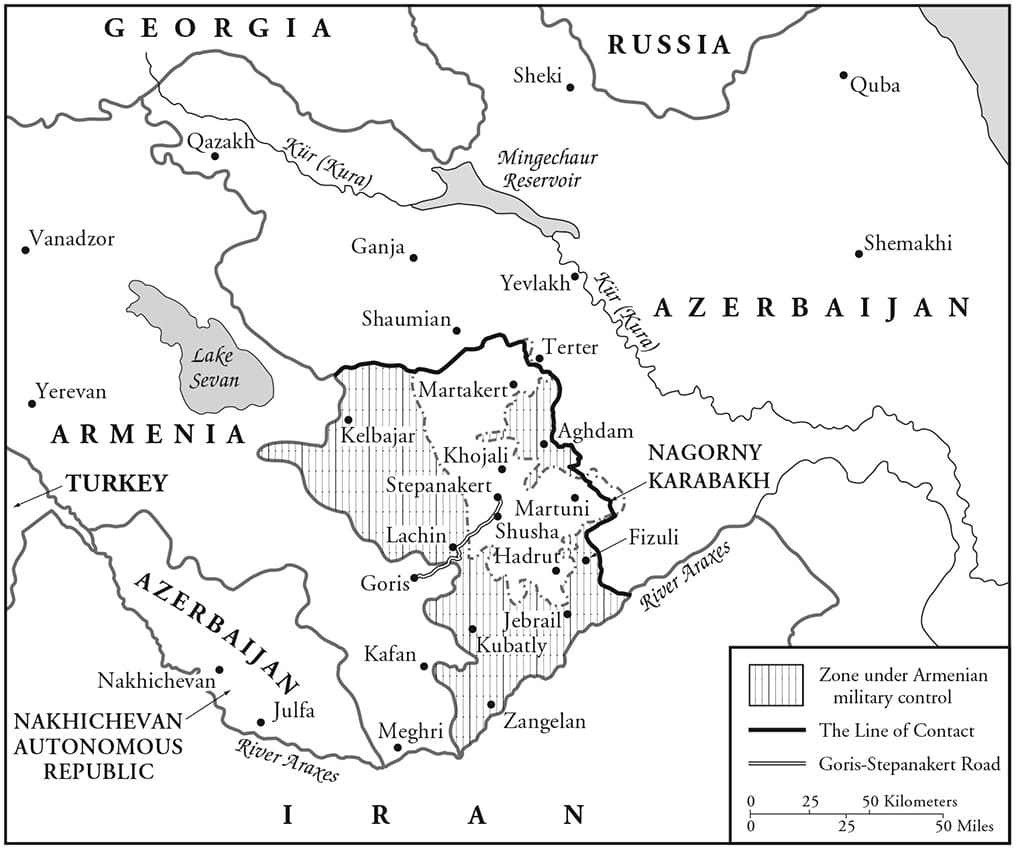
In recent times, Armenia has faced several challenges and changes, particularly concerning its relationship with neighbouring Azerbaijan. The ongoing disputes over the Nagorno-Karabakh region have resulted in armed conflict and diplomatic tensions. The 2020 Nagorno-Karabakh war brought significant territorial losses for Armenia, prompting a reassessment of its military and diplomatic strategies. In September 2023, another round of clashes escalated fears of further instability in the region. International support, particularly from Russia and the West, has become increasingly crucial as Armenia navigates this complex landscape.
Significance in the Modern World
Armenia’s geopolitical position continues to attract international attention. It is a member of the Eurasian Economic Union and has sought deeper ties with European nations. The recent conflict has opened discussions about the need for international mediation and support to secure peace and stability in the region. Additionally, Armenia is striving to boost its economy through tech innovation and tourism, highlighting its adaptable spirit amidst adversities.
Conclusion
Understanding Armenia today requires a look beyond its troubled past to appreciate its cultural richness and resilience. As it stands at a crossroads of historical legacy and modern challenges, Armenia continues to seek a path towards peace, development, and international engagement. The outcome of Armenia’s current political and territorial disputes will have lasting repercussions not just for the nation itself but also for the wider South Caucasus region and beyond.