Introduction
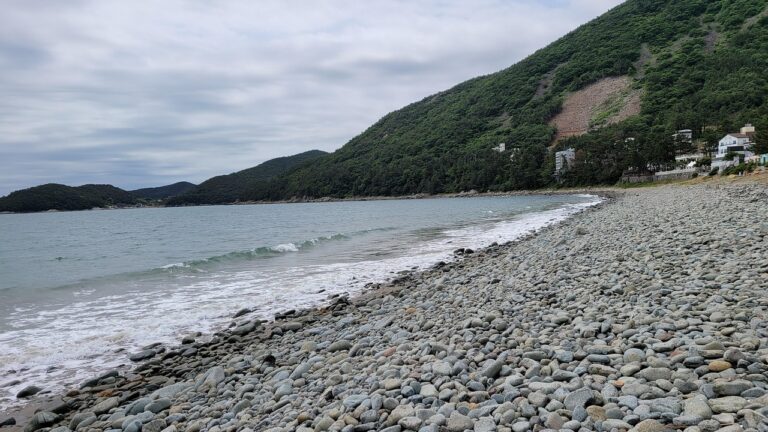
Anglesey, an island off the north coast of Wales, is a unique destination that combines stunning natural beauty with a rich historical heritage. As the largest island in Wales, it is known for its coastal scenery, picturesque villages, and significant archaeological sites. The importance of Anglesey lies not only in its breathtaking landscapes, which include the rugged coastlines of the Anglesey Coastal Path, but also in its cultural significance, offering insights into Welsh history and tradition.
Main Body
Recent events highlight Anglesey’s growing popularity as a tourist destination. In 2023, a report from Visit Wales indicated a surge in visitors to the island, primarily due to its outdoor recreational opportunities and heritage sites. The Anglesey Coastal Path, which stretches for approximately 125 miles, has become particularly popular among hikers and nature enthusiasts, showcasing the island’s diverse wildlife and scenic vistas.
In addition to its natural attractions, Anglesey is home to several historical landmarks, including Beaumaris Castle, a UNESCO World Heritage site built in the late 13th century, and the ancient burial chamber of Bryn Celli Ddu, which dates back to the Neolithic era. These sites provide visitors with a glimpse into the island’s storied past and its role in Welsh history.
Environmental conservation efforts on the island have also garnered attention. Local organisations are working diligently to protect Anglesey’s natural habitats and promote sustainable tourism. Initiatives such as beach clean-ups and wildlife conservation projects have encouraged community involvement and heightened awareness about preserving the island’s unique ecosystems.
Conclusion
As Anglesey continues to attract both domestic and international tourists, its significance as a cultural and natural destination is becoming increasingly recognised. With ongoing efforts to promote sustainable tourism and preserve its historical sites, Anglesey not only offers a rich experience for visitors but also serves as a model for environmental stewardship. As the island develops, it is expected to adapt while maintaining the charm that has made it a beloved spot for adventurers and history buffs alike.