Introduction
The DVLA (Driver and Vehicle Licensing Agency) tax is a vital component for vehicle owners in the United Kingdom. Proper understanding of vehicle tax obligations not only ensures compliance with the law but also contributes to the upkeep of UK roads and transportation infrastructure. As vehicle tax evolves with changing regulations, it is essential to keep informed about current practices and requirements.
What is DVLA Tax?
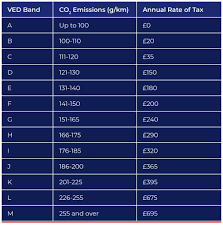
DVLA tax, commonly referred to as vehicle excise duty (VED), is a tax levied on vehicles used or kept on public roads in the UK. The amount of tax paid varies depending on factors such as the vehicle’s CO2 emissions, fuel type, and engine size. The tax year typically runs from April 1 to March 31, meaning owners need to renew or manage their tax annually. It is crucial to ensure your vehicle is taxed to avoid potential penalties, including fines and enforcement actions by the DVLA.
Recent Changes in DVLA Tax Regulations
In recent years, there have been significant updates to DVLA tax regulations to promote environmental sustainability. From April 2020, new cars registered are taxed based on their emissions under a new system that differentiates between petrol, diesel, and hybrid vehicles. Additionally, the Government has introduced “zero-emission” vehicles, which are exempt from VED for the first year. These changes reflect a broader strategy to encourage environmentally friendly driving habits.
How to Pay DVLA Tax
Vehicle owners can pay the DVLA tax online, via post, or at a Post Office. For online payments, users need the vehicle’s registration number, the last 8 characters of the Vehicle Reference Number, and a valid debit or credit card. The DVLA also allows payment through direct debits for individuals preferring manageable, ongoing payments.
Penalties for Non-Compliance
Failure to tax a vehicle can lead to severe consequences. Drivers caught driving an untaxed vehicle may face a fine of up to £1,000, in addition to having to pay the owed tax. Constant updates to enforcement strategies mean that DVLA patrols and automated systems are vigilant in monitoring compliance, making it increasingly crucial for vehicle owners to stay up-to-date with their tax commitments.
Conclusion
Understanding DVLA tax is essential for vehicle owners in the UK. As regulations continue to evolve, taxpayers must stay informed to avoid penalties and contribute positively to the environment. With easy payment options and a growing emphasis on sustainability, managing your vehicle tax responsibly has never been more vital. Awareness and compliance will not only ensure a smooth driving experience but also support the broader goal of maintaining and improving the UK’s road networks.



