Introduction
Estepona, located on the Costa del Sol in Spain, is a picturesque coastal town that has rapidly gained recognition for its beautiful beaches, vibrant culture, and stunning architecture. With its rich history and breathtaking landscapes, Estepona offers visitors a delightful escape filled with Spanish charm. This article delves into what makes Estepona a desirable destination for both tourists and expatriates.
The Allure of Estepona
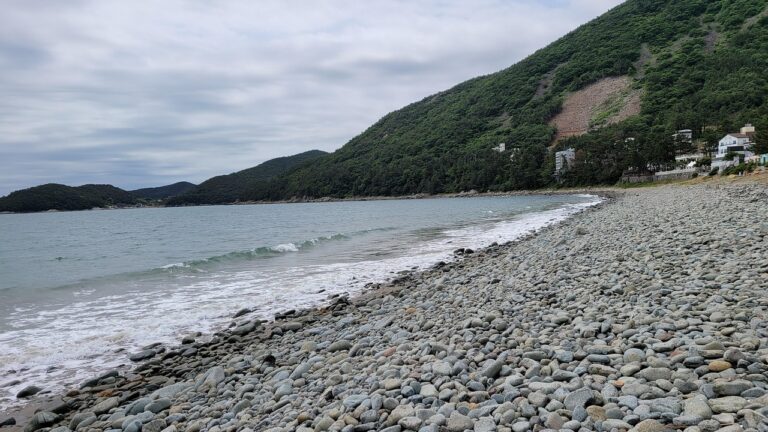
Estepona boasts over 21 kilometres of sandy beaches, including Playa El Cristo and Playa del Padrón, which attract sun-seekers and water enthusiasts. The town’s promenade, known as the ‘Paseo Marítimo’, is lined with seasonal beach bars (chiringuitos) and restaurants serving traditional Andalusian cuisine, such as fresh seafood and tapas.
Beyond the beaches, Estepona is famed for its ‘Flower Streets’, where locals and visitors can wander through narrow, cobblestone lanes adorned with colourful flower pots. The town’s commitment to maintaining its traditional Andalusian character is showcased through several cultural events, including the annual Estepona Feria, drawing thousands of visitors each July.
Real Estate Growth
In recent years, Estepona has seen a surge in real estate development, transforming it into an appealing option for those looking to buy property in Spain. The opening of luxurious residential complexes, golf courses, and amenities has inclined expatriates, especially from the UK, to invest in the area. According to a recent report by Spanish property portal Idealista, Estepona property prices have increased by 6.2% in the last year, highlighting its growing popularity.
Conclusion
As Estepona continues to grow in reputation and development, it offers a perfect blend of relaxation, culture, and investment potential. Its charming old town, stunning landscapes, and the Mediterranean climate make it an ideal location for those seeking a vibrant lifestyle or a serene holiday home. With the ongoing enhancements in infrastructure and services, Estepona is set to become even more significant in the tourism landscape of southern Spain, appealing to an increasingly diverse audience.