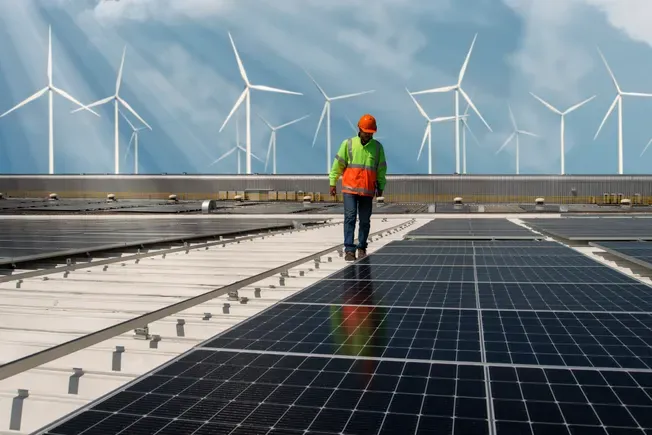
House Republicans are attempting to restore renewable energy tax credits that were curtailed by previous legislation, amidst rising concerns over energy affordability. The proposed American Energy Dominance Act aims to reverse changes made under the One Big Beautiful Bill Act.
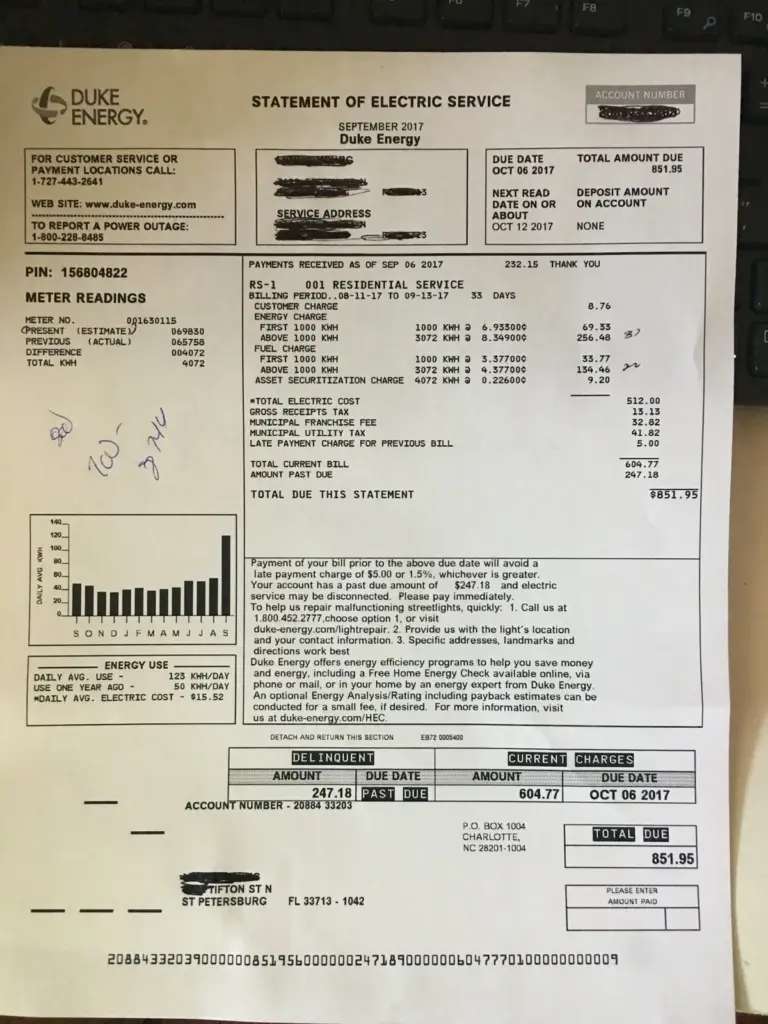
One in three American households struggles to pay their energy bills, according to recent estimates. In Wisconsin, the Department of Revenue projects that the new Residential Energy Sales Tax Exemption will save households more than $178 million over two years. This exemption eliminates sales tax on energy and utility bills for primary residences, effective from October 1, 2025.
The legislation would also restore the 179D Energy Efficient Commercial Buildings Deduction credit without a scheduled expiration. However, this tax exemption does not apply to business properties or rental units—only primary residences qualify.
Key facts about the proposed changes:
- The projected savings for Wisconsin households is more than $178 million over two years.
- E2 estimated that $34.8 billion in clean energy investments were canceled in 2025 due to previous legislative changes.
- The sales tax charged to residents like Scott Toro was $11.51 for the 5% Wisconsin Sales Tax and $2.07 for the Milwaukee County sales tax.
Brian Fitzpatrick’s office emphasizes that under current law, key incentives are set to expire on June 30, 2026. They argue that a shortened policy horizon disrupts planning and raises the risk that critical projects are delayed or never built at all.
Brendan Conway, a spokesperson for We Energies, remarked, “We do not think at all this is a widespread problem,” when discussing concerns about energy affordability. Yet, many residents feel the pinch as electricity pricing continues to rise.
The new tax exemption extends beyond just winter months—previously limited to that season—allowing year-round relief for homeowners. The legislation developed in partnership with North America’s Building Trades Unions seeks to enhance clean energy investments and promote energy efficiency across the state.
As these discussions unfold, officials have not confirmed how quickly these changes can be implemented or what further adjustments might be necessary. For now, Wisconsin residents await clarity on how these potential reforms will affect their monthly bills and overall financial health.