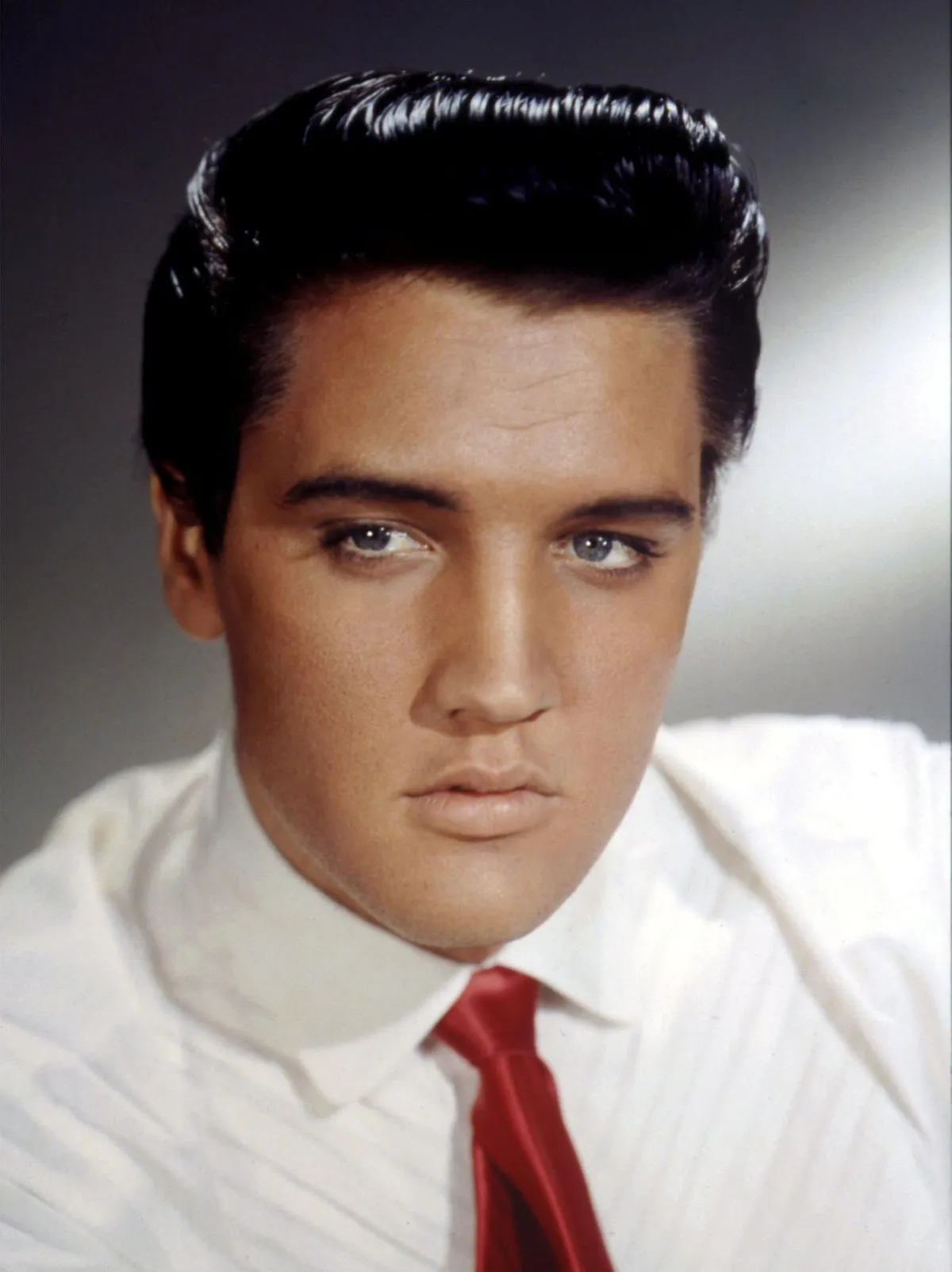
What does Donald Trump’s visit to Graceland on March 23, 2026, signify for the legacy of Elvis Presley? It underscores the enduring influence of the King of Rock and Roll, as Trump himself declared, “He’s the most famous person on the planet.” This visit marks a notable moment in the intersection of music and politics, with Trump being only the second U.S. president to visit Graceland while in office, following George W. Bush’s visit in 2006.
Graceland, located in Memphis, Tennessee, is America’s second most-visited house after the White House, attracting around 600,000 visitors annually. The estate opened as a museum in 1982, allowing fans to connect with the life and legacy of Elvis Presley, who passed away in 1977 at the age of 42. During his visit, Trump signed a guitar that was a replica of the one used by Presley during his iconic ‘Aloha From Hawaii’ concert in 1973.
Trump’s admiration for Elvis is well-documented; he has played the singer’s music at his campaign rallies and awarded Presley the Presidential Medal of Freedom in 2018. Trump expressed his fondness for Elvis, stating, “I love Elvis. I never met Elvis,” reflecting a deep respect for the cultural icon.
Angie Marchese, Graceland’s Vice President of Archives, highlighted the significance of the location, saying, “This was his home, no matter where he lived, he always came back to Memphis.” This sentiment resonates with many fans who view Graceland as a pilgrimage site to honor the legacy of a man who changed the music landscape.
Details remain unconfirmed about the specific discussions or events that took place during Trump’s visit, but the occasion certainly reignited conversations about Elvis’s impact on American culture and music. As the world continues to celebrate Elvis Presley, his influence remains as potent as ever, bridging generations and inspiring countless artists.