Introduction
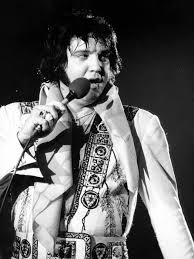
Elvis Presley, often referred to as the King of Rock and Roll, is one of the most significant cultural figures of the 20th century. His explosive rise to fame in the 1950s not only transformed the contemporary music scene but also left an indelible mark on pop culture as a whole. Understanding his life, career, and influence is vital not only for music enthusiasts but for anyone interested in the evolution of modern entertainment.
Early Life and Musical Journey
Born on January 8, 1935, in Tupelo, Mississippi, Elvis Aaron Presley grew up in a humble family. His introduction to music came at a young age, influenced by gospel, rhythm and blues, and country music. In 1954, he recorded his first song, “That’s All Right,” at Sun Studio in Memphis, marking the beginning of a revolutionary career. By blending various genres, he established a new musical style that spoke to the youth of America.
Rise to Fame
Presley’s dynamic performance style and unique voice quickly gained popularity, leading to major hits such as “Heartbreak Hotel,” “Hound Dog,” and “Jailhouse Rock.” His appearances on television, notably on *The Ed Sullivan Show,* created significant waves, showcasing his charismatic stage presence and shaking up the entertainment industry. By the end of the decade, he was not just a music star but a cultural phenomenon.
Cultural Impact and Legacy
Elvis’s contributions to music and culture extended beyond hit records. He broke racial barriers in the industry by popularising African American music to a broader audience. His style, which included a signature pompadour and flashy outfits, influenced countless artists across generations. Elvis became a symbol of rebellion and freedom, resonating with the changing attitudes of young people during the 1960s.
Recent Events and Ongoing Influence
Elvis’s legacy continues to thrive, with many tributes, remastering of his classic hits, and biographical films. The recent film *Elvis,* directed by Baz Luhrmann, introduced his story to a new audience, highlighting both his triumphs and struggles. Numerous tribute concerts and Elvis-themed attractions in Memphis draw fans from around the world, proving that his influence has not waned even decades after his passing in 1977.
Conclusion
Elvis Presley remains an enduring figure in music history, celebrated for his unique artistry and cultural impact. As new generations discover his music, his legacy serves as a reminder of how one individual can reshape the landscape of an entire industry. The King of Rock and Roll continues to inspire not only musicians but also future innovators in the arts, cementing his position as a timeless icon.