Introduction
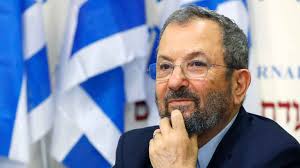
Ehud Barak, Israel’s 10th Prime Minister, remains a significant figure in both Israeli history and politics today. Born on February 12, 1942, Barak’s extensive military and political career has made him a prominent voice in regional and international discussions concerning peace and security. As the nation grapples with ongoing tensions and the quest for stability, understanding Barak’s role is vital for comprehending the current landscape of Israeli politics.
Military Career
Barak’s military career began when he joined the Israel Defense Forces (IDF) in 1959. Over the years, he rose through the ranks, eventually becoming the Chief of General Staff in 1991. His leadership during the 1973 Yom Kippur War earned him recognition, and he became known for his strategic expertise and commitment to national security. In 2000, he made headlines by leading the IDF in a controversial pull-out from Lebanon, which remains a topic of debate in Israel today.
Political Achievements
Barak transitioned from military service to politics in the late 1990s, becoming the leader of the Israeli Labour Party. In 1999, he won the general elections, succeeding Benjamin Netanyahu as Prime Minister. His time in office was marked by ambitious peace initiatives, including the famous Camp David Summit in 2000, where he sought to negotiate a lasting peace agreement with Palestinian leaders. Despite his efforts, the talks ultimately failed, leading to heightened tensions.
Recent Developments
Following his premiership, Barak remained active in Israeli politics. He returned to the political front in 2020 by forming a new party, the Democratic Party. Amidst these developments, recent support within Israel has surged concerning political figures advocating for unity in the face of external threats. Barak’s views on security and the need for diplomatic solutions to regional conflicts are as relevant as ever.
Conclusion
Ehud Barak’s life is a testament to the complexities of leadership in a nation that has faced persistent challenges and conflicts. As Israel continues to navigate its path, Barak’s insights on security and peace negotiations remain crucial. With ongoing pressures from both domestic and international fronts, the contributions of experienced leaders like Barak may hold key solutions for future stability and prosperity in Israel. The discussions surrounding his legacy and the choices he made in office are likely to shape the political discourse for years to come.