Introduction
The EFL Cup, also known as the Carabao Cup, is a prestigious tournament in English football that features clubs from the Premier League and the lower leagues. The recent EFL Cup draw has generated significant excitement among fans, as it sets the stage for upcoming matches that could impact the season’s trajectory for many teams. With clubs eager to compete for silverware, this year’s draw has revealed intriguing pairings that highlight the depth and competitiveness of English football.
Details of the Draw
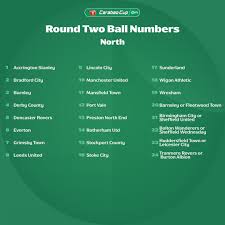
The EFL Cup draw took place on [Insert Date] and included 16 teams following the completion of the third round. Notable fixtures include traditional rivalries and potential upsets as lower league teams face off against higher division clubs. Teams like Manchester City, Liverpool, and Manchester United are seen as strong contenders; however, clubs like Sunderland and Ipswich Town also present challenges to their more illustrious opponents. The draws were conducted live, building anticipation among supporters eager to see which teams will face each other in the knockout rounds.
Highlighted Matchups
One of the standout fixtures from the draw involves Manchester United hosting [Insert Opponent], a matchup that pits a top Premier League side against a determined club looking to make a mark this season. Similarly, the matchup involving Liverpool and [Insert Opponent] promises to be a thrilling encounter, with both teams having strong attacking line-ups. The cup format can often lead to surprising results, and fans will be keenly watching for potential upsets as the matches approach.
Impact and Significance
The EFL Cup serves not only as a pathway to silverware but also as an opportunity for clubs to rotate players and give younger talent invaluable experience in high-pressure situations. For many teams outside the Premier League, progressing further in this tournament could have significant financial implications, enhancing their budgets and allowing for further player recruitment. As the fixtures draw nearer, clubs will need to strategise not just for victory but for player management, balancing league commitments and the desire to advance in cup competitions.
Conclusion
The EFL Cup draw has set the stage for a range of thrilling matchups in what promises to be a memorable tournament. Fans, clubs, and players alike are now gearing up for a series of matches that will provide not only entertainment but also key moments that could influence the courses of the involved clubs’ seasons. As the fixtures approach, anticipation will continue to build, and for many, the question remains: who will emerge victorious and hoist the EFL Cup trophy this season?