Introduction
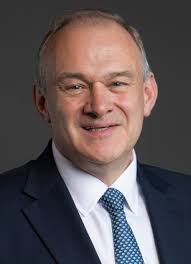
Ed Davey, the leader of the Liberal Democrats, has emerged as a significant figure in UK politics, particularly during a time of considerable political upheaval. His leadership is notable as the country faces pressing issues such as climate change, healthcare, and economic recovery post-COVID-19. Understanding his policies and approach gives insight into potential shifts within the UK political landscape, especially as the next general election approaches.
Political Background
Born on December 25, 1965, Davey has been a member of the Liberal Democrats since their inception and has significantly influenced UK politics over the years. He first entered Parliament in 1997 as the MP for Kingston and Surbiton, later serving as Secretary of State for Energy and Climate Change in the coalition government from 2012 to 2015. His experience in government has shaped his policy priorities, particularly regarding renewable energy and sustainability.
Leadership of the Liberal Democrats
After taking the helm as party leader in August 2020, Ed Davey focused on rejuvenating the Liberal Democrats’ relevance in a challenging political environment, marked by a conservative government and the rise of populism. Under his leadership, the party has aimed to position itself as a progressive alternative, especially in matters related to climate action and democratic reforms. Recent local elections have shown signs of recovery for the party, which Davey attributes to increased public concern about environmental issues and the need for effective governance.
Recent Events and Impact
In recent months, Davey has been vocal about the government’s handling of various crises, including energy prices amid the escalating global energy issues and the NHS backlog exacerbated by the pandemic. He advocates for a stronger government response to support both the economy and public health. His calls for action resonate with many constituents who feel overlooked by more prominent parties. Notably, his approach has involved grassroots campaigns and making effective use of social media to engage with younger voters, a demographic essential for the party’s future.
Conclusion
As the UK approaches a new phase in its political journey, Ed Davey’s leadership of the Liberal Democrats could be pivotal in shaping alternative narratives to the dominant Conservative and Labour parties. His emphasis on environmental sustainability and effective public service resonates with an increasingly conscientious electorate. Should the party continue to harness the current momentum, there is potential for a significant shift in the political landscape come the next general election. Ed Davey’s role will be crucial in guiding the party’s efforts to remain relevant and impactful during these transformative times.