Introduction
The recent evacuation of an EasyJet flight at Manchester Airport has raised significant concerns regarding passenger safety and airport protocols. Such incidents are critical as they not only disrupt operations but also highlight the readiness of airlines and airports to manage emergencies effectively. This event on October 10, 2023, underlines the importance of swift decision-making and efficient evacuation plans.
Details of the Incident
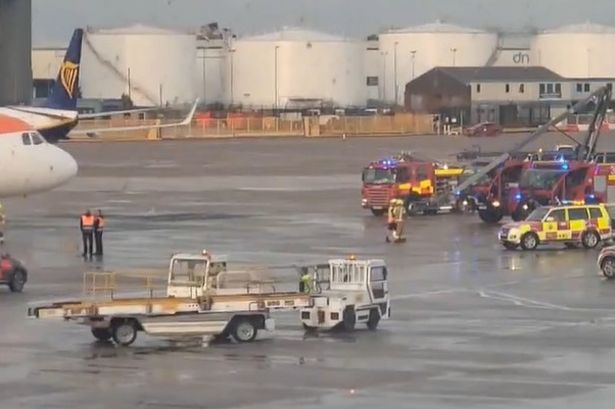
On the morning of October 10, passengers on EasyJet flight EZY1234, which was scheduled to depart for Geneva, were evacuated shortly before takeoff. The evacuation was initiated after crew members detected a possible foul smell from the cabin, which they reported as emanating from the aircraft’s systems. Emergency services were promptly alerted, and firefighters were on the scene within minutes to check for any potential hazards.
Passengers were guided to leave the aircraft calmly, with many expressing concern but commending the crew for their professionalism. Eyewitness accounts described the scene as orderly, with passengers being instructed to use emergency slides for a quick exit. Reports indicate that no one was injured, and emergency personnel assessed the aircraft thoroughly.
The Aftermath
Following the evacuation, EasyJet provided support to the affected passengers, offering them alternative travel arrangements and refreshment vouchers while the incident was investigated. The airline stated, “The safety of our passengers and crew is our highest priority, and we would like to thank customers for their understanding and cooperation during this situation.” Flight operations at Manchester Airport were temporarily disrupted, but the runway remained open for other flights.
Significance and Conclusion
This incident serves as a reminder of the rigorous safety measures in place within commercial aviation. While the event caused alarm amongst those on board and in the airport, the efficient response demonstrated by both the airline and Manchester Airport’s emergency services reaffirmed the vital protocols that are in place to ensure safety during such emergencies. Airlines like EasyJet have continued to enhance their safety measures and training to prepare for an array of situations, minimising risks and ensuring that passengers can travel with confidence.
Looking forward, it is crucial for airlines and airports to continue investing in their emergency response strategies and safety equipment, as this incident highlights the need for readiness in the face of unexpected challenges. For travelers, staying informed about airlines’ safety records and response strategies can offer peace of mind during their journeys.