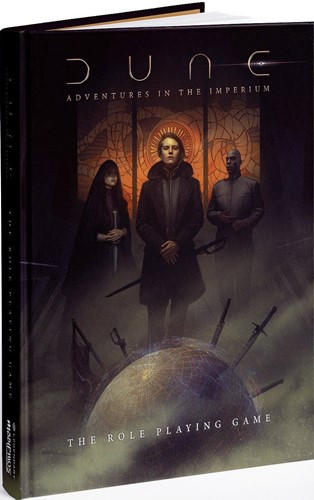
Introduction
Frank Herbert’s ‘Dune,’ first published in 1965, has transcended its roots as merely a science fiction novel to become a significant cultural phenomenon. The story, which explores themes of politics, religion, and ecology on the desert planet of Arrakis, has influenced countless works across various media, including film, television, and video games. Recent adaptations, particularly Denis Villeneuve’s 2021 film, have reignited interest in both the original text and its broader implications in contemporary society.
Recent Adaptations and Their Impact
The release of Denis Villeneuve’s ‘Dune’ has played a critical role in reintroducing Herbert’s narrative to new generations. The film, which received acclaim for its visual effects and casting, broke box office records and stood out during the 2021 awards season, earning six Academy Awards. Its success has sparked discussions on how science fiction can address current global issues, including climate change, resource depletion, and geopolitical power struggles.
Moreover, the film’s reception has led to a resurgence in sales of the original books and other media adaptations, further solidifying ‘Dune’s’ cultural relevance. Online communities have emerged, discussing not just the storyline but the philosophical and ethical dilemmas presented in Herbert’s work.
Influence Beyond Literature and Film
‘Dune’s’ influence extends beyond the realm of novels and cinema into various facets of popular culture. The themes reflected in ‘Dune’ resonate with ongoing discussions in environmentalism and sustainability, making it particularly relevant in today’s context. With its intricate examination of the relationship between humanity and nature, ‘Dune’ has found a place in academic discourse, featuring in environmental studies and political science curricula worldwide.
The visual aesthetic of ‘Dune’ has also inspired artists, fashion designers, and musicians, showcasing its ability to extend its reach into the art world. The film’s distinct representation of desert landscapes and its costumes have led to collaborations and themed events, further entrenching its place in cultural discussions.
Conclusion
The significance of ‘Dune’ in today’s cultural landscape cannot be overstated. As discussions around climate change and resource management become increasingly urgent, Herbert’s work offers a lens through which to examine these pivotal issues. With ongoing adaptations and a thriving fanbase, ‘Dune’ not only continues to prompt discourse among enthusiasts but also challenges society to reflect on its values and future choices. As the legacy of ‘Dune’ evolves, it promises to remain a cornerstone of science fiction for generations to come.