Introduction
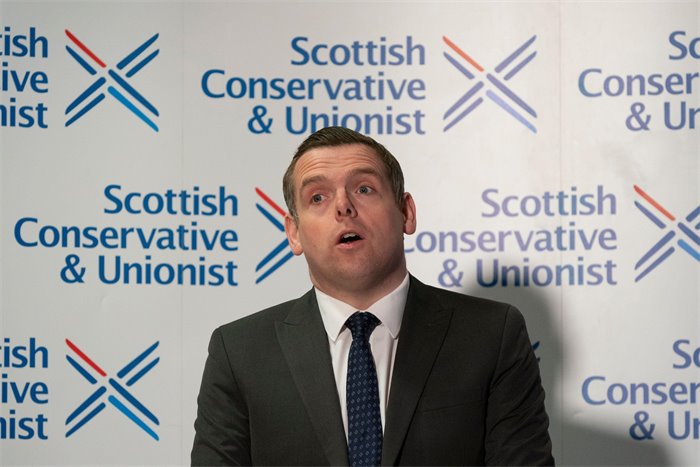
Douglas Ross has emerged as a significant figure in Scottish politics as the leader of the Scottish Conservatives, representing the constituency of Moray. His leadership is particularly crucial amidst the ongoing discussions around independence, governance, and the post-pandemic recovery. As Scotland’s political climate continues to evolve, understanding Ross’s role and influence is essential for those following the nation’s trajectory.
Political Career
Douglas Ross was born on 27th April 1983 and began his career in politics after serving as a councillor for Moray. He was first elected to the UK Parliament in 2017. Ross became the leader of the Scottish Conservative Party in August 2020, succeeding Jackson Carlaw. Under his leadership, he has focused on issues such as education, healthcare, and the economy, striving to position the Scottish Conservatives as a viable alternative to the Scottish National Party (SNP).
Recent Developments
Recently, Douglas Ross has been vocal about the government’s handling of various crises, including the cost-of-living crisis exacerbated by rising energy prices and inflation. During the latest parliamentary session, he critiqued the SNP government’s approach to managing Scotland’s finances and urged for greater accountability and transparency. Ross has also called for more targeted support for families and businesses that are struggling to cope.
Moreover, Ross has remained steadfast against a second referendum on Scottish independence, arguing that the focus should be on unity and the pressing issues facing citizens. His party’s stance has garnered both support and criticism, highlighting the divisive nature of independence discussions.
Conclusion
As Douglas Ross continues to lead the Scottish Conservatives, his influence on Scotland’s political landscape is expected to grow, particularly as the next elections approach. With key issues at stake and the challenge of uniting a divided electorate, the coming months will be crucial for Ross and the party he leads. For voters looking to understand the implications of these dynamics on Scotland’s future, following Douglas Ross’s policy positions and actions will be essential.