Introduction
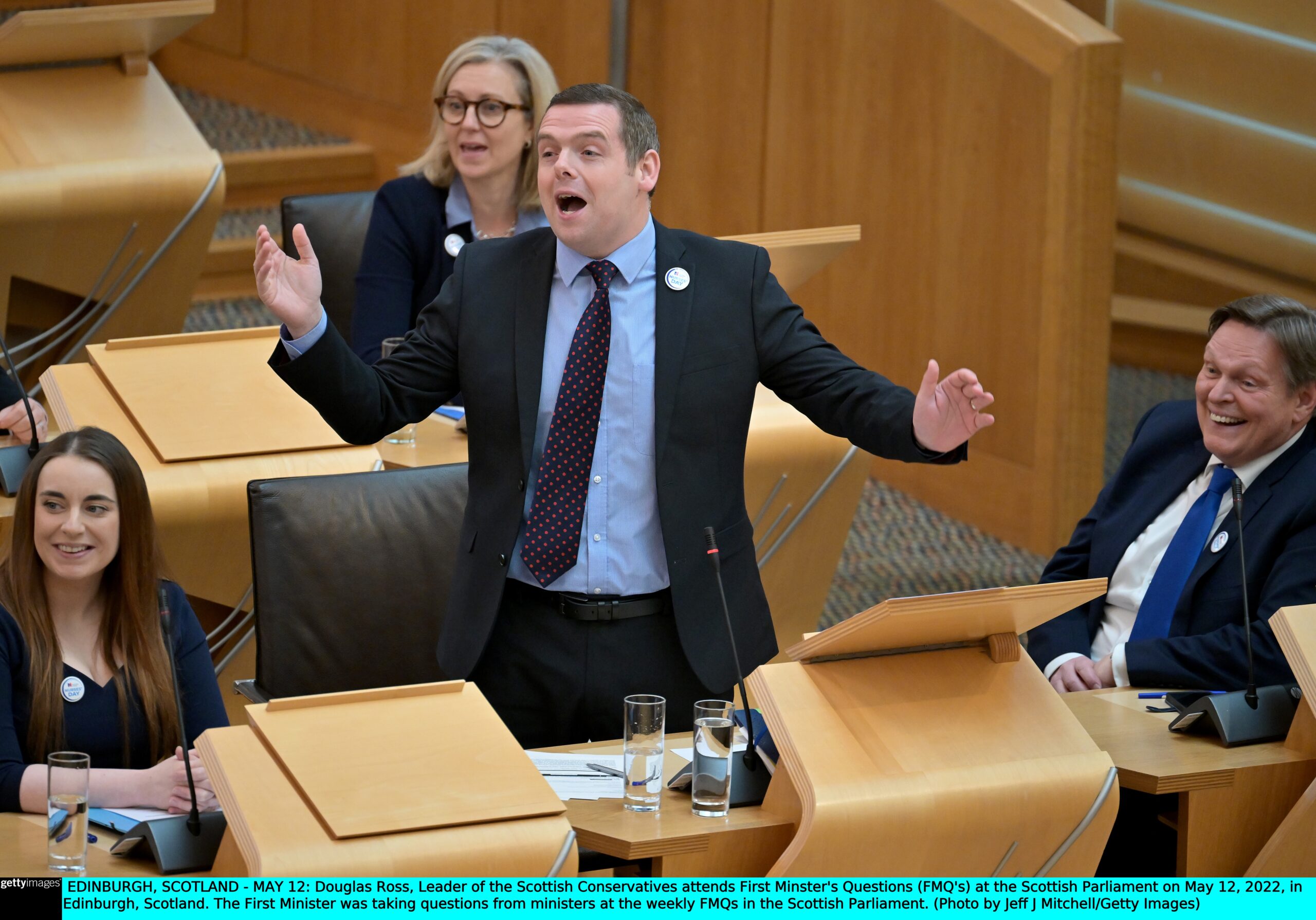
Douglas Ross, the leader of the Scottish Conservatives, plays a pivotal role in shaping the political landscape of Scotland. His leadership comes at a time of significant change and challenge for the Conservative party, as it seeks to adapt to the evolving needs and concerns of the Scottish public. Recent elections and policy proposals have heightened the profile of Scottish politics, making Ross’s decisions and strategies increasingly relevant.
Background and Leadership
Born on 27th July 1983 in Moray, Douglas Ross began his career in politics as a member of the Scottish Parliament (MSP) representing the Highlands and Islands since 2016. In August 2020, he was elected as the leader of the Scottish Conservatives, succeeding Jackson Carlaw. Ross’s political journey has been marked by his firm stance on issues like education, healthcare, and economic prosperity, striving to ensure that the voice of the Scottish Conservatives resonates across the nation.
Recent Political Developments
In recent months, Ross has faced a multitude of challenges, particularly regarding the ongoing debate around Scottish independence. The Scottish National Party (SNP) has continued to press for a second referendum, following the 2014 vote, and Ross has been a vocal opponent of this push, advocating for a focus on other pressing issues such as the economy and public services. According to a recent poll conducted by Ipsos MORI, the Scottish Conservatives are facing challenges with voter perceptions, which highlights the importance of strategic communication in Ross’s leadership.
In addition to independence discussions, Douglas Ross has also been at the forefront of responding to the healthcare crisis exacerbated by the COVID-19 pandemic. His party has put forward proposals aimed at improving healthcare access and scrutiny of government spending, emphasizing the need for transparency in dealing with public resources.
Future Outlook
Looking ahead, Douglas Ross will need to navigate the complexities of coalition-building within the Scottish Parliament, as well as addressing the party’s internal dynamics. With local elections on the horizon, the Scottish Conservatives will likely focus on solidifying their core message and enhancing their connection with constituents. Ross’s leadership style—characterised by direct communication and engagement with locals—will be vital in mobilising support for the party’s vision.
Conclusion
As Scotland continues to grapple with critical issues such as independence and public service revitalisation, Douglas Ross’s role as leader of the Scottish Conservatives is crucial. His future actions and strategies will not only influence the party’s standing but will also have significant implications for Scotland as a whole. The coming months will be critical as Ross faces the dual challenges of maintaining party unity while responding effectively to the public’s evolving concerns.