Introduction
Macau, officially known as the Special Administrative Region of the People’s Republic of China, is a unique blend of Portuguese and Chinese culture, celebrated for its vibrant lifestyle and as a global gaming hub. This tiny territory boasts the highest gaming revenue in the world, surpassing Las Vegas, and plays a significant role in the economy of China. As travel restrictions ease worldwide, Macau is once again in the spotlight, attracting tourists and investors alike. Understanding the current state of Macau is crucial for those interested in tourism, business, and cultural exchange.
The Current State of Macau
In recent months, Macau has experienced a resurgence as COVID-19 restrictions have been lifted, leading to a significant uptick in tourism. According to the Macao Government Tourism Office, visitor numbers rose sharply in 2023, with leisure tourists returning in droves. Major casinos such as the Venetian Macao and MGM Cotai are seeing a revival in footfall, which is vital for the territory that relies heavily on its gaming industry. Moreover, the government has been proactive in preparing the city for a new wave of visitors by investing in infrastructure and enhancing public services, ensuring a seamless experience for those arriving.
Cultural Significance
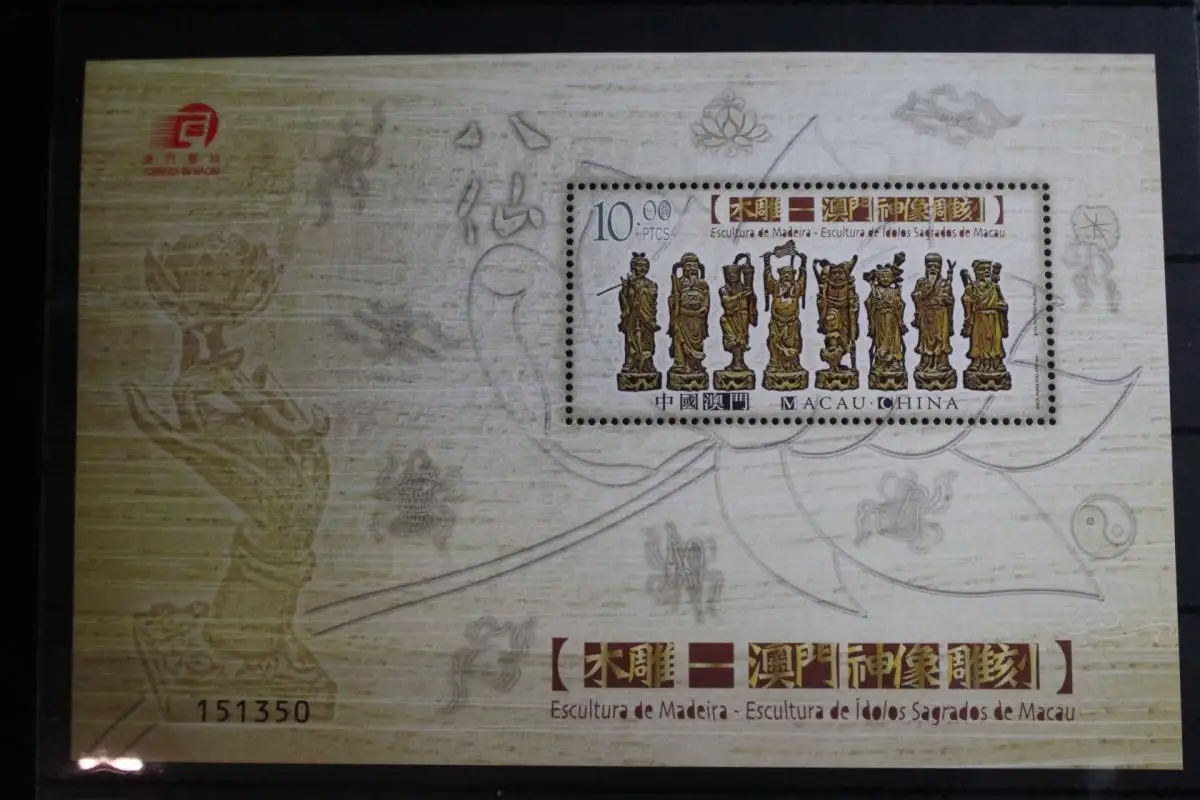
Beyond its gaming industry, Macau is rich in culture and history, boasting a UNESCO World Heritage status for its historical centre. The blend of Portuguese and Chinese influences is palpable, especially in places like Senado Square and the Ruins of St. Paul’s. Food lovers also flock to Macau for its famous Macanese cuisine, which reflects a mix of flavours, techniques, and ingredients from both cultures.
Challenges Ahead
While Macau’s short-term prospects seem optimistic, challenges still loom on the horizon. The gaming industry faces stiff competition from other Asian destinations, and there remains uncertainty about the post-pandemic world and its potential impact on travel habits. Furthermore, the region is also focusing on diversifying its economy beyond gaming to ensure sustainable growth. Initiatives are in place to promote tourism in other sectors, including business conventions, exhibitions, and cultural tourism.
Conclusion
Macau stands as a remarkable example of resilience and adaptability. Its ability to bounce back from the pandemic demonstrates the strong appeal it holds for tourists and businesses alike. Moving forward, it will be crucial for Macau to continue diversifying its offerings, whilst maintaining its rich cultural heritage. For readers interested in travel, investment, or cultural exploration, keeping a keen eye on Macau’s developments is essential as it strives to reclaim its status as a top global destination.