Introduction
The Royal Albert Hall, located in South Kensington, London, is one of the most prestigious music venues in the world. Opened in 1871, it has a rich history and has hosted a myriad of events from classical concerts to contemporary performances. Its significance transcends music, serving as a cultural hub and a symbol of London’s artistic identity.
Historical Significance
The hall was built to fulfil the vision of Prince Albert, the husband of Queen Victoria, to promote the arts and sciences in the UK. Construction began in 1867, and the hall was officially opened by Queen Victoria on March 29, 1871. Since then, it has welcomed illustrious figures, including Sir Edward Elgar, the Beatles, and many of the world’s leading orchestras, marking its place in cultural history.
Architectural Features
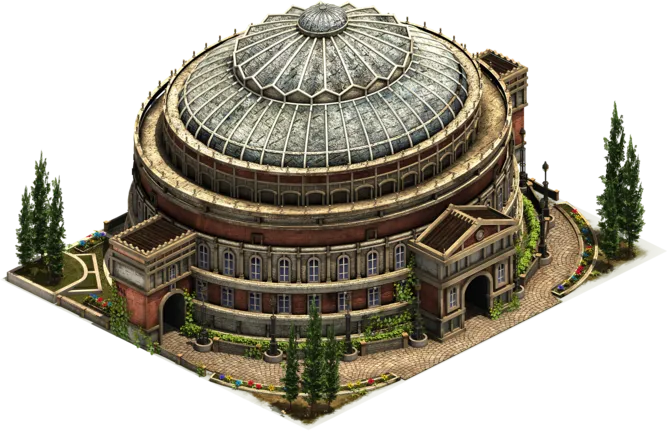
The distinctive circular building, designed by the architect Francis Fowke, features a stunning glass and wrought iron dome, which is one of its most striking elements. The acoustic design is equally impressive, making it a prime venue for concerts. The Royal Albert Hall can accommodate up to 5,272 spectators, making it an important site for both intimate and grand scale performances.
Upcoming Events and Current Relevance
In recent years, the Royal Albert Hall has hosted high-profile events such as the BBC Proms, a summer season of daily classical concerts that brings music to a wide audience. Though the pandemic posed challenges in 2020 and 2021, the Hall has since adapted to the changing environment by introducing hybrid events that allow audiences to experience performances both in-person and virtually. This shift reflects a broader trend in the arts sector, where digital engagement has become increasingly important.
Conclusion
The Royal Albert Hall is not just a venue; it’s a vital part of London’s cultural landscape and continues to thrive in the modern age. As the world gradually returns to normalcy post-pandemic, the Hall remains committed to promoting diverse performances and initiatives that inspire and engage the community. Its ability to adapt and evolve ensures that it will remain a beloved institution for future generations, reinforcing its legacy as a premier destination for arts and culture.