Introduction
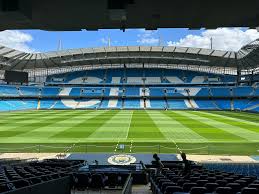
The Etihad Stadium, home to Manchester City Football Club, serves as a pivotal venue not only for sports in the UK but also for various cultural events. Opened in 2003, it has become a symbol of the city’s pride and sporting prowess, complementing the rich football heritage of Manchester. As we explore the significance of the stadium, we highlight its architectural brilliance, economic impact, and the role it plays in the city’s community.
Background and Development
Originally built to host the 2002 Commonwealth Games, the Etihad Stadium was designed by the renowned architecture firm of Arup Group. With a seating capacity of 53,000, it was later redeveloped for Manchester City FC, following the club’s acquisition by the Abu Dhabi United Group in 2008. The stadium has witnessed numerous historic matches, including thrilling Premier League games, UEFA Champions League battles, and international fixtures.
Recent Events and Renovations
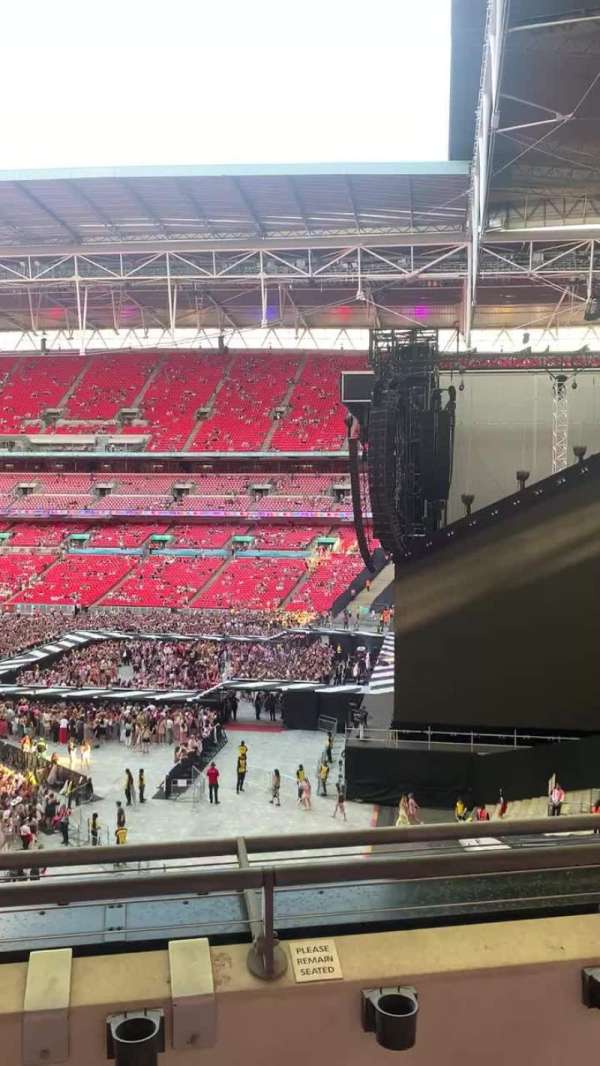
This year, the Etihad Stadium has been at the forefront of exciting events. In addition to hosting Manchester City’s home matches, it has served as a venue for concerts, including performances by global artists. Recently, the club announced plans for further renovations, aiming to enhance the fan experience through improved facilities, sustainable initiatives, and digital innovation. These upgrades reflect the club’s commitment to creating a world-class environment for spectators and athletes.
Community Engagement and Economic Impact
The Etihad Stadium plays an essential role in Manchester’s economy, contributing significantly to local businesses and job creation. The club has also implemented various outreach programmes in the community, from youth training camps to health initiatives, fostering a sense of inclusivity and social responsibility. Recent studies show that such initiatives can lead to a considerable increase in local tourism, as fans flock to the area not just for matches but for a larger cultural experience.
Conclusion
The Etihad Stadium stands as more than just a football venue; it reflects Manchester’s identity as a hub of sporting excellence and cultural vibrancy. As renovations continue and the club thrives in national and international competitions, the stadium is set to play an increasingly significant role in both the sporting world and the local community. Looking forward, the Etihad Stadium is poised to remain at the heart of Manchester’s cultural and economic life for years to come.