Introduction to Cremonese Culture
The term ‘Cremonese’ refers to the rich cultural heritage and traditions of Cremona, a city in the Lombardy region of northern Italy. Renowned globally for its exceptional contributions to music, particularly string instrument craftsmanship, Cremona holds a unique significance in cultural history. Understanding Cremonese culture not only educates visitors but also enriches their experience of Italy’s broader musical legacy.
The Musical Legacy of Cremona
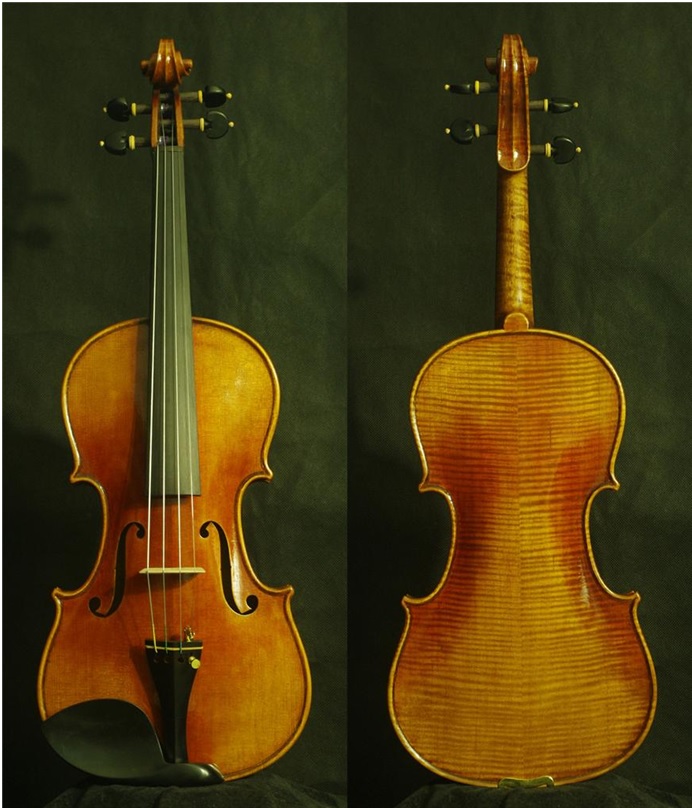
Cremona is synonymous with the art of violin making, being the birthplace of legendary luthiers such as Antonio Stradivari and Guarneri del Gesù. The ‘Cremonese sound’ has become a benchmark in classical music, celebrated in concert halls worldwide. Recent estimates suggest that even as of 2023, around 70% of the world’s best violins originate from this city.
Today, Cremona endeavours to preserve this legacy through various initiatives. The ‘Museo del Violino’ offers exhibitions that showcase the craftsmanship of Stradivari and his contemporaries, and regular masterclasses are conducted to ensure the continuation of these time-honoured techniques.
Culinary Traditions of the Cremonese
The culinary landscape of Cremona is equally impressive, reflecting the diverse agricultural heritage of the region. Its culinary specialties include the famous ‘Torrone di Cremona’, a traditional nougat distinguished by its intricate almond and honey blend. As external influences have flowed into the city, the Cremonese have embraced fusion cuisine while maintaining the authenticity of their traditional recipes.
Additionally, the region is known for its production of various cheeses, such as Grana Padano, and fine wines, adding to the gastronomic allure that attracts food enthusiasts from around the globe.
Challenges and the Future of Cremonese Culture
While Cremona boasts a sustainably rich cultural fabric, it faces challenges like preserving its traditions amid modernisation and globalisation. Local organisations are tasked with promoting educational programmes aimed at younger generations, ensuring the relevance of Cremonese arts in a rapidly changing world.
Conclusion
The Cremonese culture, steeped in musical excellence and culinary traditions, remains a cornerstone of Italy’s heritage. As both a tourist destination and a cultural hub, Cremona continually engages with the global community, promoting its rich history while adapting to contemporary influences. Looking ahead, it is vital that efforts to preserve the unique traits of Cremonese culture continue, ensuring its vibrant legacy for future generations.