Introduction to Andalucia
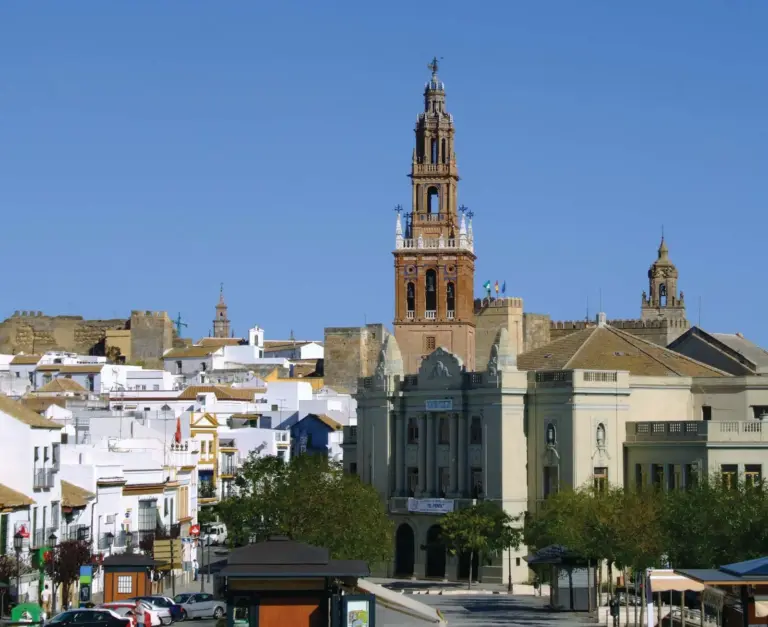
Andalucia, a region located in southern Spain, is renowned for its rich cultural heritage, stunning natural beauty, and historical significance. This diverse area, known for its unique blend of Moorish and Spanish influences, has become a focal point for tourism and cultural exploration. As the most populated region in Spain, with cities like Seville, Granada, and Málaga, Andalucia plays a crucial role in shaping the country’s identity.
Cultural Significance
Andalucia is often celebrated for its vibrant traditions. The Flamenco dance, which is integral to Spanish culture, originated in this region and has gained international acclaim. Festivals such as the Feria de Abril in Seville and Semana Santa (Holy Week) demonstrate Andalucia’s rich traditions and community spirit. Additionally, the Alhambra in Granada, a stunning example of Moorish architecture, is a UNESCO World Heritage site that attracts millions of visitors each year.
Natural Wonders
The region is also home to a variety of landscapes, from the sun-drenched beaches of the Costa del Sol to the rugged Sierra Nevada mountains. The variety of natural spaces allows for a wide range of outdoor activities, including hiking, skiing, and water sports. The Doñana National Park, a UNESCO Biosphere Reserve, is one of Europe’s most important wetland reserves, attracting bird watchers and nature enthusiasts from around the globe.
Current Developments and Tourism
As of late 2023, Andalucia continues to recover from the impacts of the COVID-19 pandemic, with tourism numbers rebounding as international travel restrictions ease. The region has implemented measures to ensure the safety of both tourists and locals, including health protocols at major attractions and events. Marketing campaigns are underway to promote the lesser-known towns and rural areas of Andalucia, showcasing authentic experiences away from the more tourist-heavy cities.
Conclusion
Andalucia stands out not only for its historical significance and cultural richness but also for its natural beauty and contemporary relevance. As the region adapts to new tourism trends and health considerations, it continues to be a vital part of Spain’s economy and cultural landscape. For anyone looking to immerse themselves in a unique blend of tradition and modernity, Andalucia remains a top destination on the global travel map.